Is Kentucky Bluegrass Shade Tolerant? The Honest Verdict
Kentucky bluegrass is generally considered to have poor to moderate shade tolerance, meaning it struggles to thrive in areas receiving less than six to eight hours of direct sunlight daily. While some newer, genetically improved cultivars have been developed to perform better in partial shade, this grass species remains primarily a sun-loving plant that prefers full, bright exposure to maintain its signature lush, dark green appearance and dense growth habit. If you’re struggling with thinning turf under heavy tree canopies or beside north-facing walls, understanding the physiological limitations of this species is the first step toward achieving a healthy lawn.
Key Takeaways
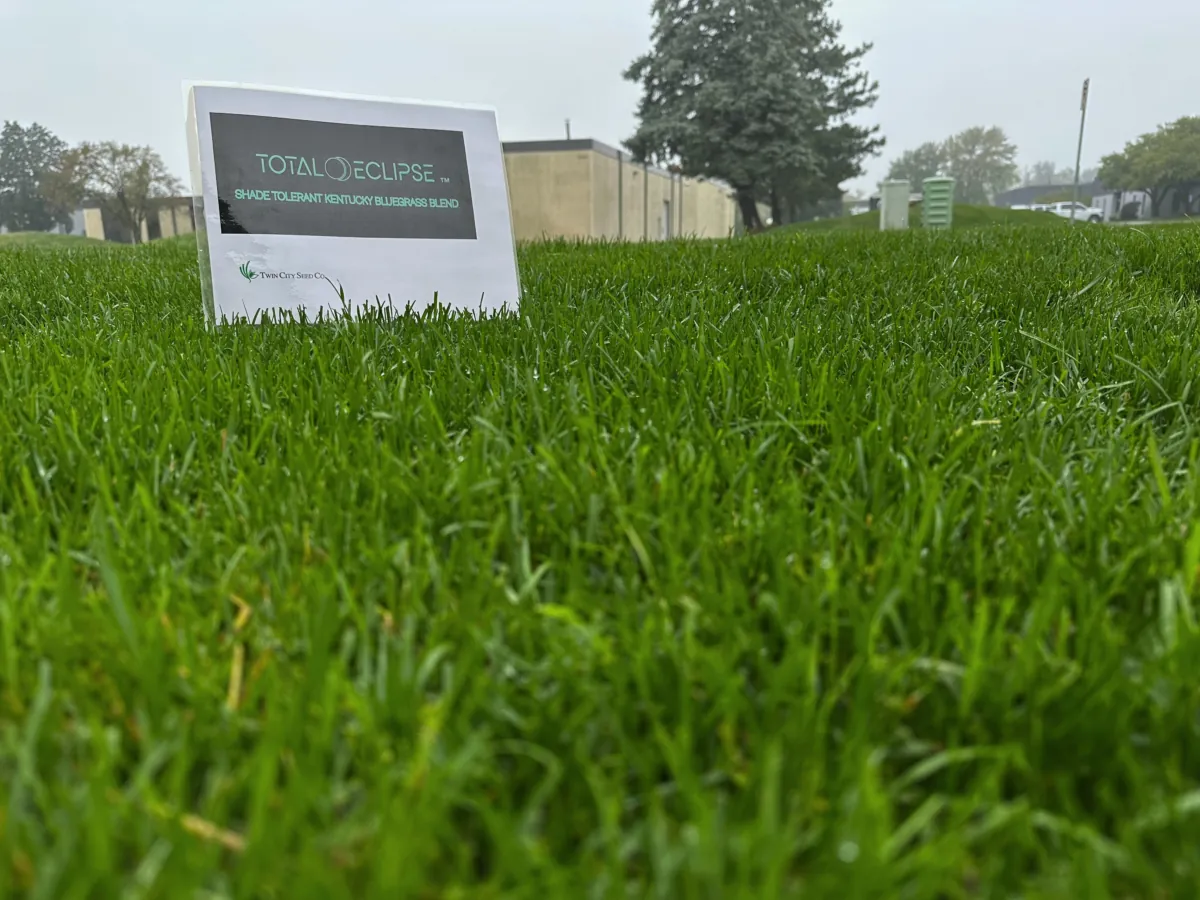
- Kentucky bluegrass requires at least six hours of direct sunlight to prevent thinning and disease.
- Shade-tolerant cultivars exist, but they still perform best in dappled light rather than deep, dark shade.
- Excessive shade leads to weak, spindly grass blades that are highly susceptible to fungal infections.
- You can improve performance by raising your mower height and reducing nitrogen fertilizer in shaded zones.
- If your lawn receives less than four hours of sun, consider shade-tolerant alternatives like fine fescues.
Is Kentucky Bluegrass Shade Tolerant?
The short answer is that traditional Kentucky bluegrass isn’t shade tolerant, though specific breeding programs have introduced varieties that handle partial shade significantly better than older types. When this grass is forced to grow in low-light conditions, it enters a state of stress.
It prioritizes vertical growth over lateral spreading, leading to a thin, sparse lawn that can’t compete with weeds or heavy foot traffic. The lack of sunlight limits the plant’s ability to perform photosynthesis, effectively starving the roots and reducing the turf’s overall vigor.
Warning: Never fertilize heavily in the shade, as the grass can’t process the extra nitrogen, which often leads to rapid, weak growth and increased susceptibility to common lawn diseases like powdery mildew.
Environmental Factors Affecting Grass Growth
Shade isn’t a monolithic condition; it varies based on the source of the blockage. Dappled shade, such as that provided by high-reaching tree branches, is much easier for Kentucky bluegrass to handle than the dense, constant shade cast by a solid building or a low-hanging evergreen.
Furthermore, competition from tree roots for moisture and nutrients often compounds the problem, making it appear as though the grass is failing solely due to the lack of light, when it’s actually experiencing a “double-jeopardy” scenario of light and nutrient deprivation.
Comparing Turfgrass Shade Requirements
| Grass Species | Shade Tolerance Level | Sun Requirement |
|---|---|---|
| Kentucky Bluegrass | Low to Moderate | 6-8+ hours |
| Fine Fescue | High | 4-6 hours |
| Tall Fescue | Moderate | 5-7 hours |
| Perennial Ryegrass | Low | 6-8 hours |
Identifying Your Shaded Lawn Conditions
To determine if your lawn is truly too dark for Kentucky bluegrass, observe the area throughout the day during mid-summer. Use a simple log to track hours of direct sunlight.
If you notice the grass is consistently damp, covered in moss, or showing signs of thinning, you’re likely dealing with a light-deficient environment that requires either remediation or a change in plant species. According to the University of Minnesota Extension turfgrass shade guidelines, the interaction between shade and humidity levels significantly impacts the overall health and density of cool-season grasses.
Improving Turf Performance in Shade
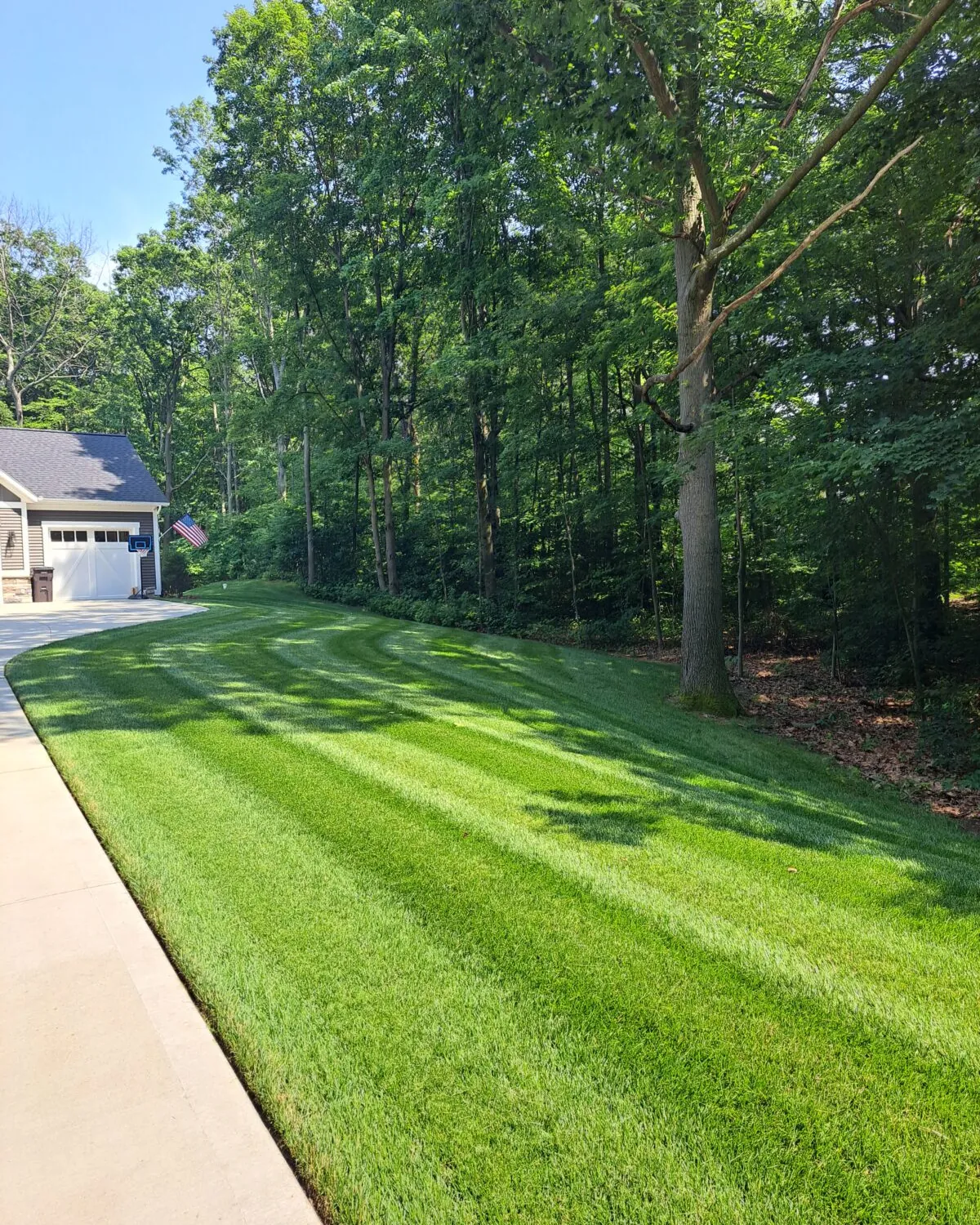
If you’re determined to keep Kentucky bluegrass in a partially shaded area, you must adjust your maintenance schedule to accommodate its restricted growth rate. The goal is to maximize the plant’s ability to capture whatever light is available while minimizing external stress.
- Increase Mowing Height: Set your mower to the highest setting, typically 3.5 to 4 inches. Taller grass blades offer a larger surface area for photosynthesis, helping the plant manufacture more energy.
- Reduce Foot Traffic: Shaded grass has a much lower recovery rate. Keep pets and children off these areas to prevent soil compaction and physical damage to the fragile blades.
- Manage Irrigation: Shaded areas dry out more slowly than sun-drenched patches. Water only when the soil feels dry to the touch to avoid creating a swampy environment that invites fungal pathogens.
- Manage Tree Canopy: If shade is caused by trees, prune lower branches to allow more light penetration and improve air circulation.
Selecting Shade-Tolerant Cultivars
When purchasing seed, look for labels that specifically mention shade tolerance. While no Kentucky bluegrass is truly “shade-loving,” some cultivars like Midnight, Bewitched, or Blue Velvet have shown better results in moderate shade than generic, budget-friendly mixes. These varieties are often part of a premium blend that may also include fine fescues to help fill in gaps where the bluegrass might struggle.
Pro Tip: Always choose a high-quality seed blend rather than a single variety to ensure your lawn has a better chance of adapting to the fluctuating light conditions found in most residential landscapes.
Alternative Grasses for Deep Shade
If your lawn receives fewer than four hours of direct sun, Kentucky bluegrass will eventually fail regardless of your maintenance efforts. In these instances, transitioning to a shade-adapted species is the most reliable strategy. Fine fescues, such as Creeping Red Fescue or Chewings Fescue, are the gold standard for low-light environments. They possess thin, needle-like leaves that are highly efficient at capturing low-intensity light and require far less fertilizer and water than Kentucky bluegrass.
Recommended Shade-Tolerant Alternatives
| Species | Best Use Case | Maintenance Needs |
|---|---|---|
| Chewings Fescue | Dry, shaded areas | Low |
| Creeping Red Fescue | Sandy, shaded soils | Low |
| Hard Fescue | Low-traffic, shaded zones | Very Low |
| Rough Bluegrass | Wet, shaded areas | Moderate |
Troubleshooting Common Shade Problems
When your grass begins to thin, it’s often difficult to pinpoint the exact cause. However, in shaded areas, the symptoms usually follow a predictable pattern. If you see white, powdery spots, it’s likely powdery mildew. If you see irregular, circular patches, it could be dollar spot or leaf spot. Both are exacerbated by the lack of airflow and persistent moisture common in shaded zones.
- Thinning Density: This is usually a symptom of insufficient light or competition from tree roots.
- Spindly Blades: This occurs when the grass stretches toward the light, resulting in weak, elongated stems.
- Fungal Growth: High humidity in shaded areas leads to persistent dew, which creates the perfect environment for mold and mildew.
- Moss Encroachment: Moss thrives where grass fails, signaling that the soil is too damp and the light levels are too low for turf growth.
Strategic Maintenance for Shaded Lawns
Maintenance in the shade should be “minimalist.” By doing less, you often preserve the health of the grass better than by over-managing it. Avoid heavy nitrogen applications in the spring, as this encourages a flush of top growth that the plant can’t support. Instead, focus on light, infrequent feeding in the late autumn to build root reserves without forcing the plant into a vulnerable state during the heat of summer.
Preparing Soil for Shade Success
Shaded soil is often compacted and depleted of nutrients because trees draw moisture and minerals directly from the root zone of the grass. To counteract this, aerate your lawn annually to improve oxygen levels in the soil. Additionally, applying a thin layer of compost or organic top-dressing can help improve soil structure and water retention, providing the grass with a better foundation to withstand the stresses of a low-light environment.
Frequently Asked Questions
Can I overseed Kentucky bluegrass in the shade?
You can overseed, but the success rate is significantly lower than in full sun. If you must overseed a shaded area, use a blend of shade-tolerant Kentucky bluegrass cultivars and fine fescues. Ensure the seeds have direct contact with the soil by aerating first, and keep the area consistently moist until germination occurs. Without adequate sunlight, the new seedlings will struggle to establish themselves.
Why is my grass dying under trees?
Grass under trees often dies due to a combination of shade and root competition. Trees aggressively pull water and nutrients from the soil, leaving little for the grass. Additionally, the tree canopy blocks essential sunlight. To fix this, prune tree limbs to let in more light, water the area more frequently to account for root competition, and consider applying a slow-release fertilizer tailored for shaded turf.
How do I know if I have enough sun?
You can track sunlight by checking your lawn at 9:00 AM, 12:00 PM, and 3:00 PM throughout the growing season. If the area is in deep shadow during all three checks, it’s likely too dark for Kentucky bluegrass. If you see dappled light or direct sun for at least six hours, you have enough light for high-quality, cool-season turf to thrive with proper care.
Does shade-tolerant grass require less water?
Generally, yes. Shaded areas don’t experience the same high rates of evaporation as sunny areas, so the soil stays moist for longer periods. Over-watering is a common mistake in shaded lawns, leading to root rot and fungal issues. Always check the soil moisture level by pushing a screwdriver into the ground before turning on the irrigation system. If it goes in easily, hold off on watering.
Is there a shade-tolerant Kentucky bluegrass?
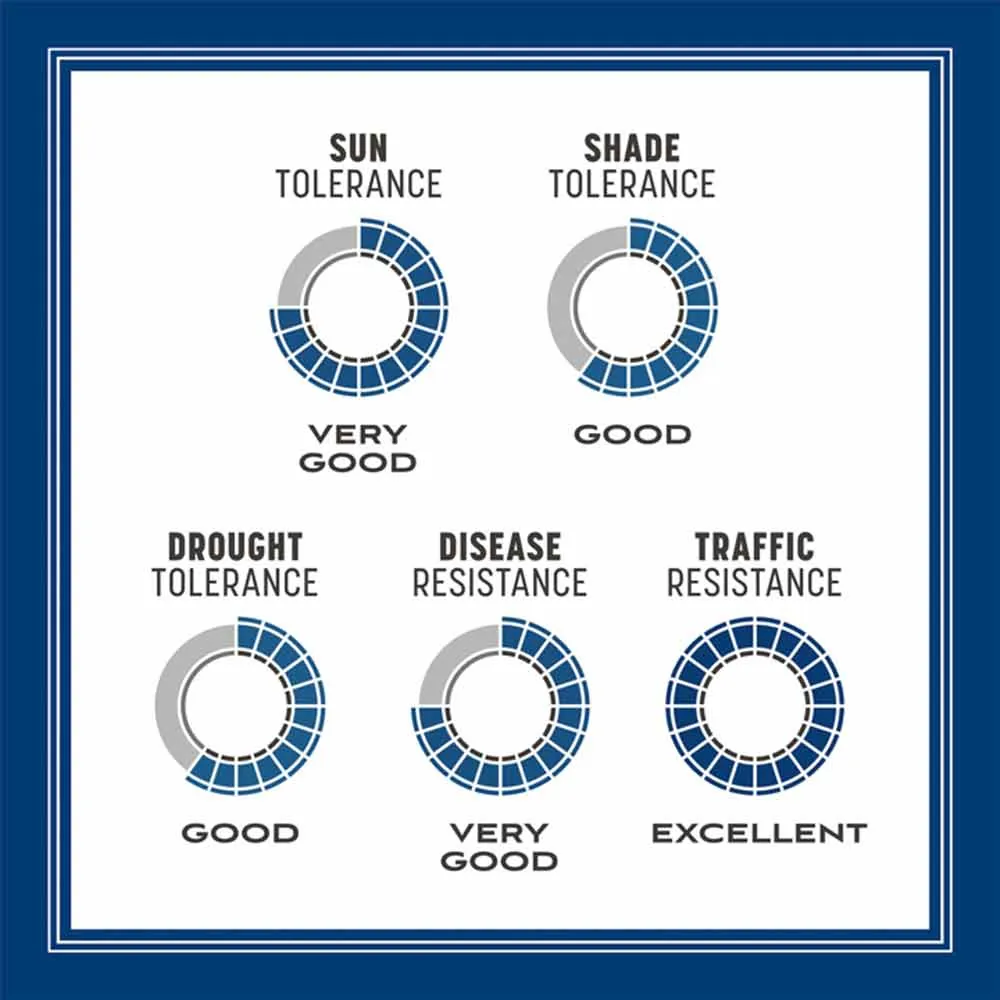
While no variety is perfectly shade-tolerant, cultivars like Midnight and Award demonstrate improved performance in partial shade compared to older varieties. These grasses are bred for higher density and better disease resistance, which helps them survive the stress of lower light levels. However, they still require at least some direct sunlight to maintain their color and health over the long term.
Conclusion
Achieving a beautiful lawn in low-light conditions requires a realistic approach to your environment and the limitations of your grass species. Start by evaluating your sunlight hours today, then consider thinning your tree canopy or overseeding with a shade-tolerant fine fescue mix to create a more resilient, thriving landscape that remains green and healthy regardless of the shade.