What Height to Cut Bermuda Grass: My Proven Lawn Guide
Ever wondered what height to cut Bermuda grass? You’re not alone. Homeowners across the South ask this every spring, and for good reason.
The right mowing height sets the stage for a thick, weed-resistant lawn that handles heat and drought like a champ.
As of 2026, turfgrass research still backs a simple range: common Bermuda grass stays healthy at 1.5 to 2.5 inches, while hybrid varieties shine closer to 1 inch. Matching that range to your grass type, sun exposure, and season is the key. Once you get that dialed in, the rest of your lawn care gets easier.

Why Mowing Height Makes or Breaks a Bermuda Lawn
For Bermuda grass (Cynodon dactylon), mowing height is the single biggest factor in how the lawn looks and survives. It controls how deep roots grow, how fast the grass spreads, and how well it recovers from heat, drought, and foot traffic. When the cut is right, Bermuda forms a dense, carpet-like canopy that chokes out weeds.
When it’s wrong, the lawn opens up to crabgrass, dallisgrass, and bare patches.
Think of it as a trade-off. Cut too low and you expose stolons, dry out the soil, and stress the crown. Cut too high and the grass gets fluffy and weak, with a shallow root system that struggles in July.
The sweet spot changes with your grass type, your yard’s sun exposure, and the season. That’s why the answer to “what height to cut Bermuda grass” is never a single number. It’s a range, and you move within it.
This is also why mowing sits at the center of a full seasonal care routine. Nail this and the rest of your lawn care gets easier. But get it wrong, and no amount of water or fertilizer will fix a scalped, thinning lawn.
Quick Answer: The Mowing Height Range for Bermuda Grass
Cut Bermuda grass between 1.5 and 2.5 inches. Hybrid types can go lower, down to 0.5 inches. Keep common Bermuda near 2 inches.
Never remove more than one-third of the blade. Adjust for shade, season, and traffic.
Know Your Grass First: Common vs. Hybrid Bermuda
Before you set the deck, you need to know which Bermuda you’re actually growing. Common Bermuda is the seed-grown variety. It’s coarse, aggressive, and forgiving if you let it get a little tall.
Hybrids like Tifway 419 and TifTuf are planted as sod or sprigs. They have finer blades, a denser growth habit, and a much lower ideal mowing height.
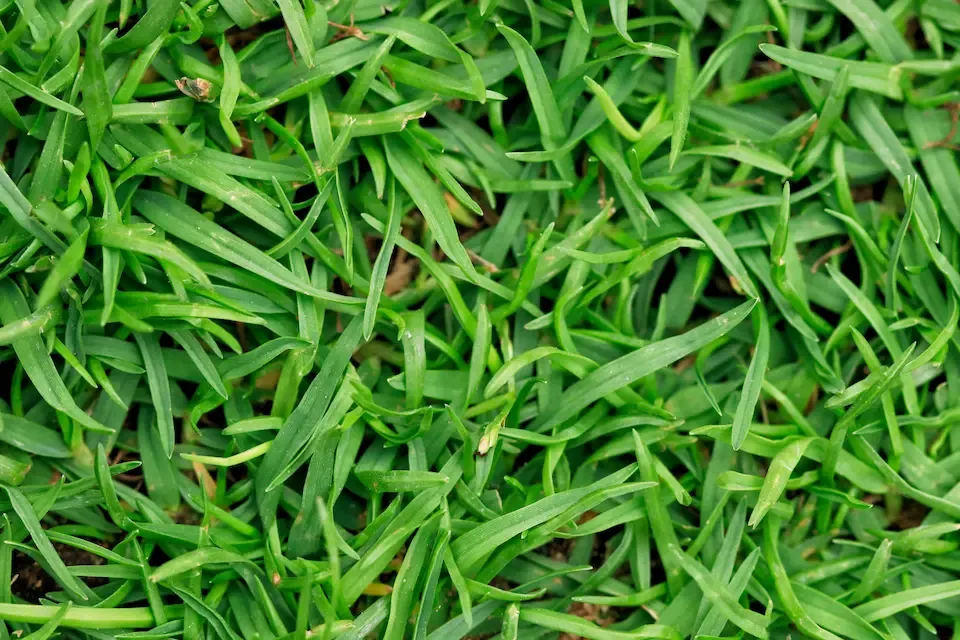
If you can’t tell the difference, look at the texture. Common Bermuda feels wide and rough. Hybrid blades are thin and soft.
As of 2026, mowing recommendations from turfgrass programs still split along these same lines. The University of Georgia Extension points to a lower range for hybrids for good reason: they’re bred for golf fairways and athletic fields where a tight cut is the goal. Your lawn can absolutely use the same approach, but only if it’s truly a hybrid.
Seeded lawns are almost always common Bermuda.
| Type | How It’s Planted | Blade Feel | Ideal Cutting Height |
|---|---|---|---|
| Common Bermuda | Seed | Coarse, wider | 1.5 to 2.5 in |
| Hybrid Bermuda | Sod or sprigs | Fine, soft | 0.5 to 1.5 in |
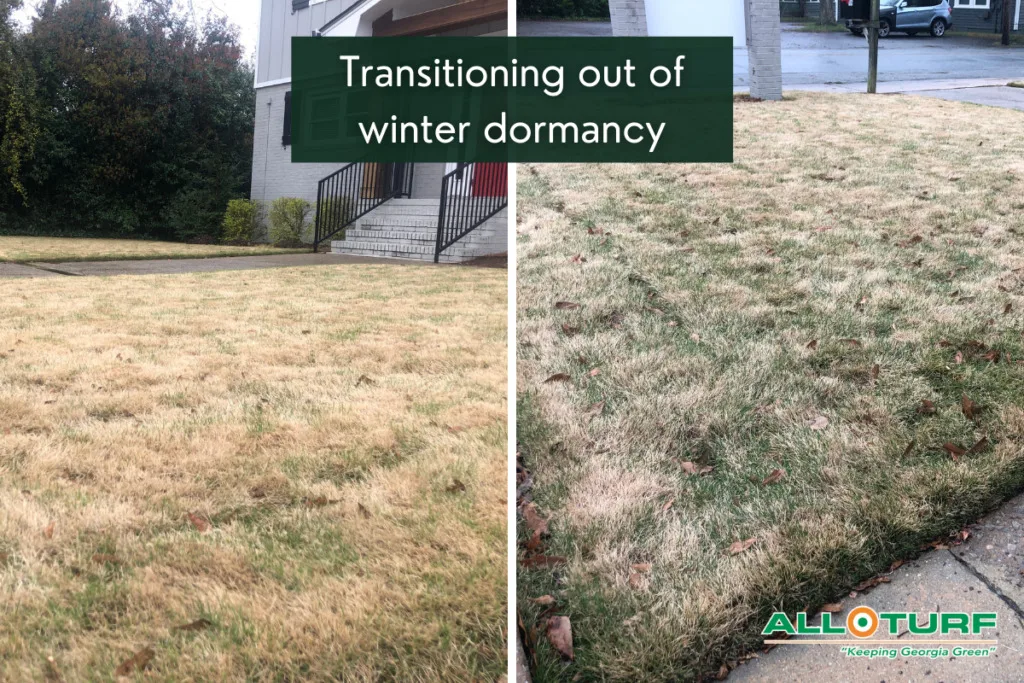
This distinction also changes how the grass behaves in the cooler months. If you’ve noticed your yard turning straw-colored and patchy after the first frost, that’s the classic common Bermuda look. You can read more about that winter dormancy to confirm what you’re dealing with.
Sun, Shade, and Soil: When to Adjust Your Cut Height
Bermuda is a full-sun grass. It wants at least six to eight hours of direct sunlight every day. When it gets that, it thrives at the lower end of the range.
But very few lawns are perfectly even. Patches under trees, along the house, or behind a fence get less light, and those areas need a little more leaf surface to capture what they can.
Raise the cutting height there by half an inch to a full inch. It won’t fix heavy shade, but it will keep the grass in the transition zones from thinning out. Soil type matters too.
Sandy soil drains fast and holds almost nothing, which stresses the grass during summer. A slightly taller cut shades the soil and helps the roots stay cooler.
Heavy clay, meanwhile, stays wet longer and is prone to compaction. Keeping the grass at the lower end of the range encourages stolons to spread and fill in. If you’re working with tricky soil, the exact sunlight and soil balance Bermuda wants is worth a read.
This is also where the if/then logic kicks in:
- If your lawn gets 8+ hours of full sun, mow at the standard height.
- If it gets 4 to 6 hours, raise the blade 0.5 to 1 inch.
- If it’s on sandy soil, push toward the taller end.
- If it’s on clay, stay at the shorter end.
Seasonal Mowing Heights: Spring, Summer, and Fall
Your mowing height shouldn’t stay locked in one spot all year. Bermuda’s growth rate changes with soil temperature, and the blade setting should follow it. Here’s how the range shifts as the seasons move.
Spring: Green-Up and Scalping
When soil temperatures start consistently hitting 65°F, Bermuda wakes up. That’s the window to scalp the old growth down to about 1 inch for common types and 0.5 to 0.75 inch for hybrids. Scalping means cutting the grass far lower than normal to remove dead winter material.
It lets sunlight hit the soil and speeds up green-up, but only do it once the lawn is about 50% green. Otherwise, you risk exposing the crown to a late frost.
Summer: Raise the Blade for Heat Stress
Summer is when most people make the mistake of cutting lower, thinking it keeps the lawn neat. The opposite is true. Higher grass grows deeper roots, and deeper roots mean better drought tolerance.
For common Bermuda, raise the deck to about 2 to 2.5 inches. For hybrids, aim for 1 to 1.5 inches. Mowing every 5 to 7 days is fine, but never let the grass grow so tall that you have to chop off more than a third of the blade at once.
Fall: Ease Off as Growth Slows
Once nights cool down and growth slows, lower the height back to the spring range. This helps the lawn harden off before dormancy and reduces the risk of snow mold in the far northern edge of Bermuda territory. Keep mowing until the grass stops growing.
Then leave it a little taller going into winter so the crown has some protection. For the exact feeding schedule around these mowing changes, check our guide on fertilizer timing for Bermuda.
| Season | Common Bermuda | Hybrid Bermuda | Notes |
|---|---|---|---|
| Spring | 1.5 to 2 in | 0.75 to 1 in | Scalp before green-up |
| Summer | 2 to 2.5 in | 1 to 1.5 in | Raise for heat |
| Fall | 1.5 to 2 in | 0.75 to 1 in | Lower for dormancy |
Normal Mowing Height vs. Spring Scalping
It’s easy to confuse spring scalping with your normal mowing routine, but they’re two different cuts. Scalping is a one-time spring cleanup, not the height you should maintain throughout the season.
When Bermuda is ready for its spring scalp, you temporarily lower the mower to about 0.5 to 1 inch for common types and 0.5 to 0.75 inch for hybrids. The goal is to remove dead winter growth and let sunlight reach the soil. As covered above, wait until the lawn is about 50% green before doing this.
Once fresh growth is established, return to your normal mowing range. For common Bermuda, that generally means 1.5 to 2 inches in spring. After that, follow the one-third rule rather than repeatedly cutting the lawn extremely short.
The One-Third Rule Every Bermuda Owner Should Know
The one-third rule is the foundation of healthy mowing: never cut off more than one-third of the grass blade in a single pass. If the grass sits at 3 inches, the lowest you can go is 2 inches. Cut to 1.5 inches, and you’ve scalped it.
Grass blades are the plant’s solar panels. They feed the roots through photosynthesis. Remove too much at once, and the plant goes into shock.
It redirects energy to leaf regrowth instead of root development.
If the lawn has grown tall, don’t drop the deck to fix it in one day. Raise the mower to the top setting and cut, then wait three or four days and cut again. Repeat until the turf sits inside the target range.
It takes patience, but the lawn will fill in properly.
That same approach applies to early-season decisions like timing your spring green-up. Starting with the right routine makes everything simpler.
Step by Step: How to Measure and Set Your Mower Deck Height
Start by measuring your current grass. A plain ruler works fine. Check the height in a few spots, since shady patches grow slower than sunny ones.
Then pick your target height from the range for your Bermuda type.
Now set the deck. Most rotary mowers have a single adjustment lever at each wheel or one central lever. Check the owner’s manual for the increments.
Move the lever to your target height and double-check the actual blade distance with your ruler.
Check the current grass height first in several spots around the yard, then adjust from there. Tire pressure matters more than you’d think. An underinflated tire tilts the deck and cuts unevenly, so fill all four tires to spec before you judge the cut.
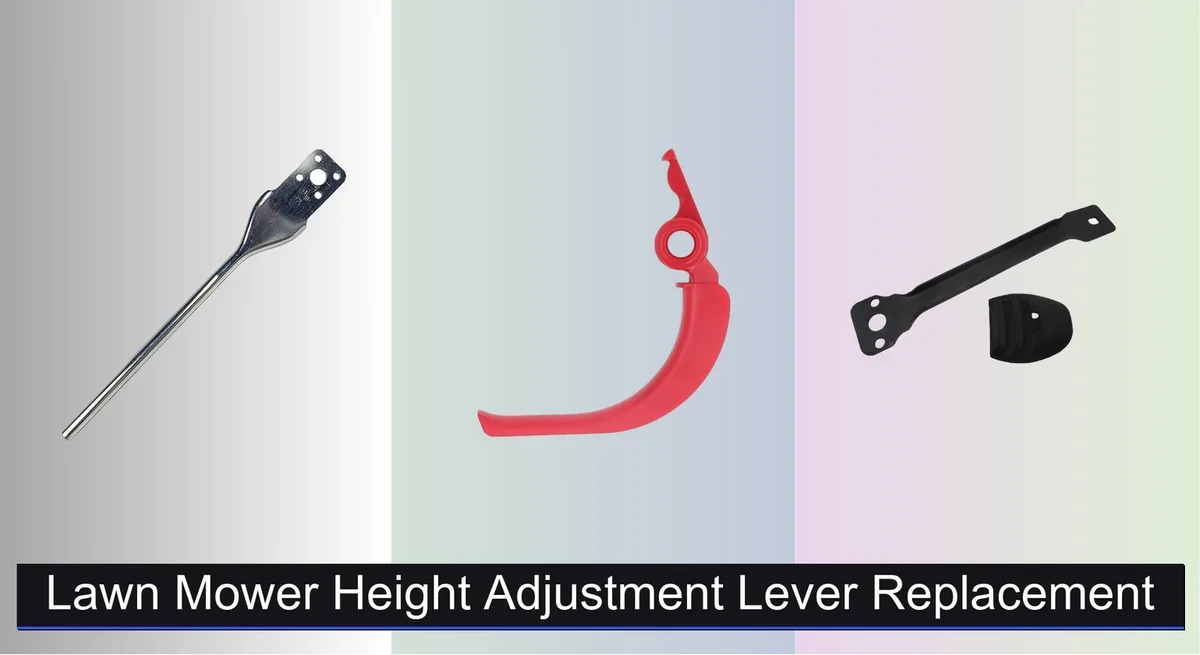
Many mowers have a lever that clicks through quarter-inch increments. Set it near your target, then run a quick test strip. Measure the fresh cut with your ruler and adjust again if needed.
That confirms the real height. A clean, even cut across a few test strips is the best sign you’re set right.
When and How to Scalp Your Bermuda Lawn
Scalping is the aggressive first cut of spring. You lower the mower far below the normal setting to strip away dead winter growth. The lawn looks brown and bare afterward, but that’s the goal.
It exposes the soil to sunlight and speeds up green-up. The key is timing: wait until the lawn is about half green before you scalp.
Set the mower down to 0.5 to 1 inch for common Bermuda, or 0.5 to 0.75 inch for hybrid types. A reel mower handles this low cut far better than a rotary. If you have a bagger, use it, because the clippings are mostly dead debris that should go to the compost pile.
If you’re establishing a new lawn in the Southeast, the same early-spring timing applies to starting a fresh Bermuda lawn.
After scalping, water lightly and leave the lawn alone. It looks terrible for a week or two, and that’s normal. Fertilizer goes down only after you see visible new growth pushing through.
Per University of Georgia Extension recommendations, scalping right after the last frost date gives the best recovery window.
Common Mowing Mistakes That Leave Your Lawn Thin or Brown
The biggest mistake is mowing too low during summer. Lower grass means shorter roots, and shorter roots struggle when the heat hits. Keep the blade up in July and August, even if the lawn looks shaggy.
Mowing wet grass ranks second. Wet blades tear and clump, leaving ragged tips and piles of smothering grass. Wait for the dew to burn off or mow in the evening after watering.
Sharp blades are another factor people forget. Dull blades pound the tips instead of slicing them. You’ll notice a white or tan cast across the lawn, and it takes days to recover.
Sharpen at the start of each season and revisit the sharpening schedule after roughly 25 hours of mowing.
Bagging clippings is usually unnecessary. Leave them behind for a free nitrogen boost. They break down quickly and return nutrients to the soil, which cuts your fertilizer bill a little and keeps the lawn fed.
Reel vs. Rotary Mowers: Choosing the Right Cut for Your Height
Your mower should match the height you want to maintain. For common Bermuda kept around 1.5 to 2 inches, a rotary mower is usually the practical choice for a residential lawn.
Reel mowers are better suited to hybrid Bermuda, especially when you want a cut below 1 inch. Their scissor-like action produces a cleaner, more precise cut at low heights, but they require more maintenance and perform best on smooth, well-maintained turf.
If you simply want a healthy, usable lawn, a rotary mower is usually enough. If you’re maintaining Tifway 419 or TifTuf at a very low height for a manicured look, a reel mower gives you better control.
Mowing in Shade, High-Traffic Areas, and Drought Conditions
Bermuda is a sun-loving grass, and shade changes the equation. If a patch gets less than six hours of direct light, raise the deck half an inch to a full inch. That extra leaf surface helps the grass capture what little sun it gets.
Deeper shade than that, and no mowing height will save it. The sunlight limits for Bermuda explain what counts as too little. Per the University of Georgia Turfgrass Extension, Bermuda performs best with at least six to eight hours of full sun daily.
High-traffic areas need a taller cut too. Kids, pets, and frequent foot traffic hammer the stolons. A slightly higher canopy leaves more stem tissue to absorb the abuse.
If the lawn gets constant use, keep it at the upper end of the range and accept that it’ll look a bit less manicured.
Drought conditions call for the same logic. Raising the blade during dry spells shades the soil and slows evaporation. That means deeper roots and a better chance of surviving heat without irrigation.
If your soil drains fast, that taller cut matters even more. Bermuda growing in sand loses moisture quickly, so it relies on canopy shade to hang on. If the lawn goes fully dormant and turns brown, stop mowing completely until rain returns.
Your Bermuda Mowing Height Decision Guide
Here’s the whole thing distilled into a quick reference. Match your situation, set the height, and move on.
| Scenario | Cutting Height | Why |
|---|---|---|
| Common Bermuda, full sun | 1.5 to 2.5 in | Standard healthy range |
| Hybrid Bermuda (Tifway 419, TifTuf) | 0.5 to 1.5 in | Fine blades, tighter cut |
| Spring scalp | 0.5 to 1 in | Removes winter debris |
| Summer heat or drought | Upper end or taller | Shades soil, protects roots |
| Shaded patches | Add 0.5 to 1 in | More leaf surface for light |
| Grass too tall to cut safely | Mow twice over a few days | Respects the one-third rule |
When in doubt, set the deck to 2 inches. That’s a safe middle ground for most Bermuda lawns. It works for common grass, handles a bit of shade, and transitions well between seasons.
Tune from there based on what your lawn tells you.
FAQs About Cutting Bermuda Grass
How often should I mow Bermuda grass?
Every 5 to 7 days during active growth. Bermuda grows fast in summer, and waiting longer means cutting too much at once. That breaks the one-third rule and shocks the lawn.
In spring and fall, you can stretch the interval to 7 to 10 days without issue.
Can I cut Bermuda grass too short?
Yes. Dropping the mower below the recommended range strips the canopy and exposes stolons. The lawn thins out, weeds invade, and roots grow shallower.
The spring scalp is the only time to cut dramatically low, and even then, only once a year.
Should I bag or mulch Bermuda clippings?
Leave them on the lawn. Clippings decompose fast and recycle nitrogen back into the soil. Bagging just removes free fertilizer.
Exceptions are spring scalping, when dead winter growth smothers the turf, and any time clippings clump heavily enough to block sunlight.
When should I stop mowing Bermuda in the fall?
Stop when the grass stops growing, usually after the first hard freeze. Mowing a fully dormant lawn wastes time and can rut the soil. If you’re curious whether your lawn has gone dormant or just stressed, our winter appearance guide helps you tell the difference.