How Many Decibels Is a Lawn Mower? A Surprising Truth
Wondering how many decibels is a lawn mower? Somewhere between roughly 55 and 100 dB(A), and several of those numbers can be correct at once. The reading depends on the machine, where you measure it, and what you’re trying to protect.
Here’s the anchor number most people need: NIOSH, the CDC’s workplace-safety research arm, caps unprotected exposure at 85 dB(A) over an 8-hour day. A typical gas push mower measures 85 to 95 dB(A) right at your ears. The safety math starts close to the red line for a lot of homeowners.
So the real job is figuring out which number answers your situation, and that starts with why one mower owns several honest readings.
Why There’s No Single Decibel Number for a Lawn Mower
Ask three websites how loud a mower is and you’ll get three different answers. The annoying part? They can all be right.
A mower’s decibel reading moves with three variables: the machine itself, where you hold the meter, and which rating scale produced the number. Mix up any two and you’ll protect the wrong ear or file the wrong complaint.
- The machine. A gas engine driving blade tips near 200 mph will never whisper, no matter what the brochure implies.
- The microphone position. The same mower reads in the 90s at your ear and the 60s at 50 feet.
- The scale. dB(A) is a sound pressure reading passed through A-weighting, a filter that mimics how human ears emphasize midrange frequencies. Sound power (LwA) measures total acoustic energy instead, and we’ll untangle that in a minute.
Here’s the other piece people miss. Manufacturers, regulators, and hearing researchers all measure mowers differently because they’re answering different questions. None of them is wrong.
You just can’t mix their numbers onto one chart without noting what was measured and where.
So the useful question isn’t “what’s the number?” It’s “which number do I need?”
- If you’re worried about your hearing, you need the dB(A) level at the operator’s ear. That’s Branch 1.
- If you’re squaring off with a noise ordinance or an unhappy neighbor, you need the level at the property line. That’s Branch 2.
- If you’re shopping for something quieter, you need the full ladder compared side by side. That’s Branch 3.
Everything below follows that structure. Grab your situation, jump to your branch, and you’ll leave with the number that actually applies to you.
How Many Decibels Is a Lawn Mower
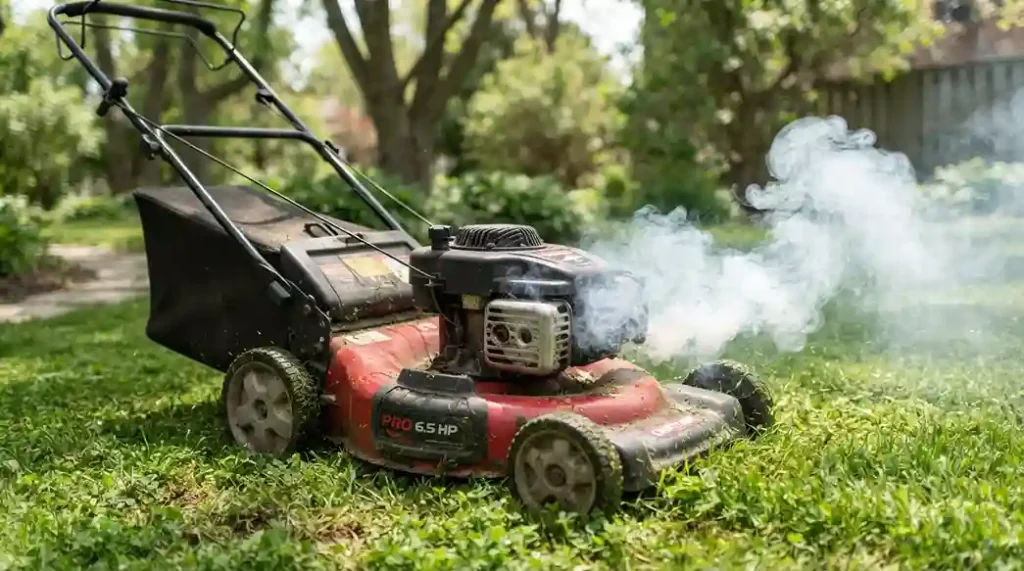
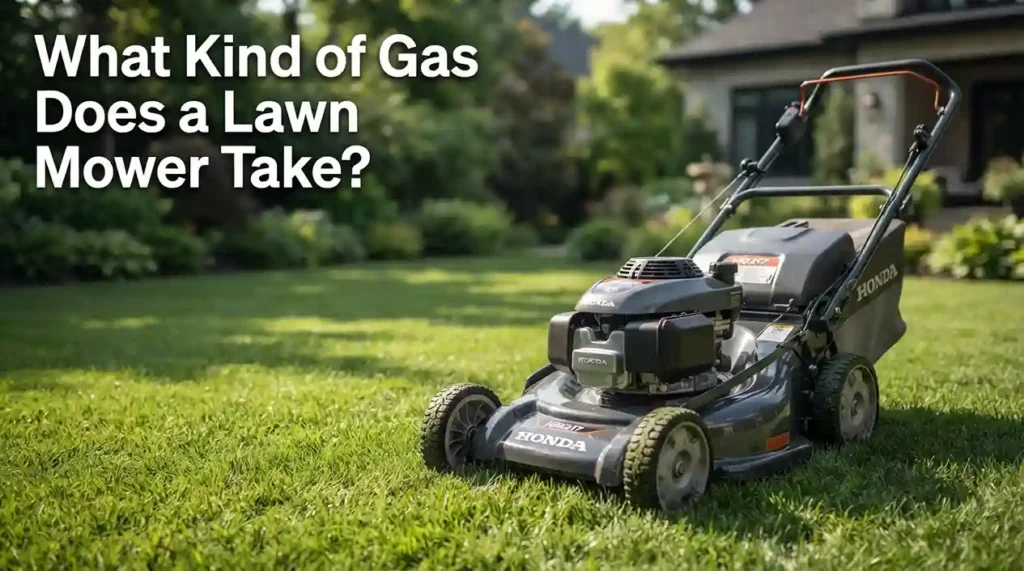
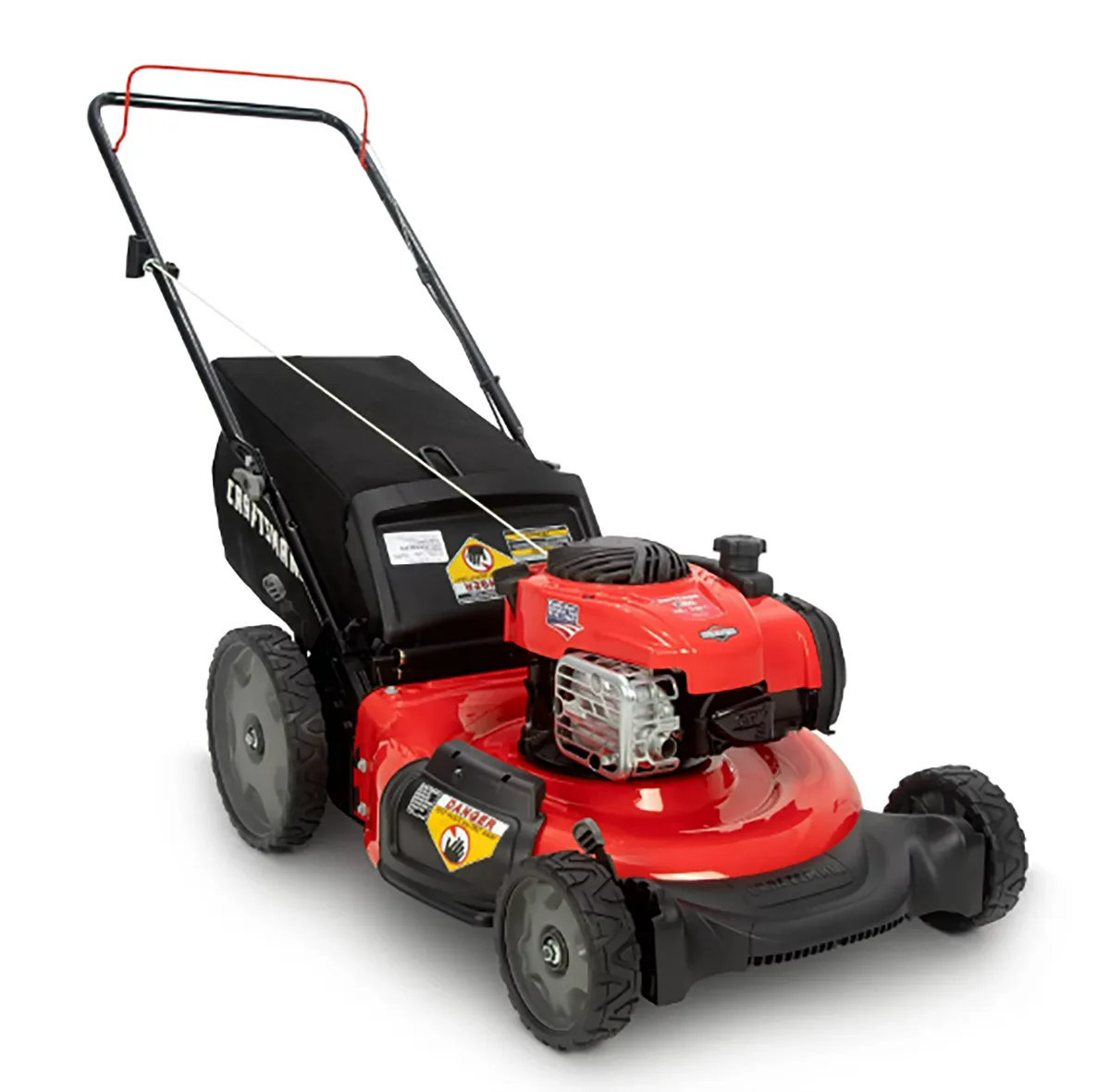
A gas push mower measures 85 to 95 dB(A) at the operator’s ear. A riding mower hits 90 to 95 dB(A) at the seat. Battery electric push mowers land near 65 to 80 dB(A).
A robot mower hums along at 55 to 65 dB(A). A manual reel mower is quietest at 60 to 68 dB.
| Mower type | Typical level | Measured where |
|---|---|---|
| Manual reel mower | 60–68 dB | 3 feet away |
| Robot mower | 55–65 dB(A) | Manufacturer spec, at distance |
| Corded/battery electric push | 65–80 dB(A) | Operator’s ear |
| Gas push mower | 85–95 dB(A) | Operator’s ear |
| Riding mower / lawn tractor | 90–95 dB(A) | Seat |
| Zero-turn mower | 95–100 dB(A) | Seat |
Two things make this chart work instead of mislead.
First, every row states its measurement point. The reel mower number sounds low partly because it’s taken at arm’s length. Apples to apples, the reel mower still wins, just not by the raw gap.
Second, the ranges are wide on purpose. A 190cc mower in thick, wet grass and a 125cc mower in light weekly growth don’t belong to the same number.
Now look at where the safety line sits. NIOSH’s 85 dB(A) limit for an 8-hour day lands at the very bottom of the gas push range. That’s why exposure time matters as much as the level itself, and Branch 1 does that math.
What Actually Changes the Number: Distance, A-Weighting, and LwA Labels
One physics fact does most of the work here: sound fades with distance, and fast.
The inverse square law drives it. Double your distance from the source and the level drops about 6 dB. Stand at the handle of a gas mower and you might read 92 dB(A).
At 25 feet, closer to 74. Fifty feet puts you near 68.
So “a mower is X decibels” is always incomplete. The number without a distance is a sentence without a subject.
Operator’s Ear vs. 50 Feet — Why the Same Mower Reads Two Different Numbers
Hearing researchers measure at the operator’s ear because that’s where damage happens. Your ears sit a foot from the engine and directly above the deck, the two loudest zones on the machine.
Ordinance writers care about a different spot. Many municipal codes specify measurement at the property line or a set distance, sometimes 25 feet, sometimes 50.
The gap between those readings routinely runs 20 dB or more. A mower at 92 dB(A) in your hands is typically 65 to 70 dB(A) at 50 feet. Same machine, same moment, same grass.
Two honest numbers.
So whenever anyone quotes you a mower figure, ask “measured from where?” If they can’t answer, the number is decoration.
Sound Power (LwA) vs. Sound Pressure — Don’t Compare the Wrong Specs
This mixup catches careful buyers, especially in the UK and EU.
Sound pressure is what a microphone picks up at one point. Your ears hear sound pressure, and hearing limits use it. Sound power (LwA) is the total acoustic energy a machine radiates in every direction.
Desk brightness versus the bulb’s total wattage, roughly.
European mowers carry a guaranteed LwA figure under EU Directive 2000/14/EC. Walk-behind models commonly list 89 to 96 LwA.
The trap: an 89 LwA label and an 89 dB(A) operator-ear reading are different animals, and LwA runs higher than any single-point reading for the same machine. When a spec sheet says “only 89 dB,” check which kind it is before you celebrate.
US spec sheets often skip noise ratings altogether. As of 2026, no federal rule forces American manufacturers to publish one. If the number’s missing, ask the brand directly or check EU documentation for the same platform.
Branch 1: You’re Asking for Hearing Safety — How Long You Can Mow Without Protection
This branch is where a wrong number costs something permanent. Noise-induced hearing loss doesn’t heal, and tinnitus that arrives with a loud summer tends to stay.
So we’ll build this one carefully.
The 3-Decibel Rule and the NIOSH Exposure Ladder
Risk isn’t just loudness. It’s loudness multiplied by time.
NIOSH uses a 3-dB exchange rate: every 3 extra dB halves your safe exposure time. That’s why the ladder below drops so quickly. OSHA’s older workplace rule uses a more generous 5-dB rate, but hearing researchers back the stricter NIOSH math.
| Level at your ear | Safe unprotected time per day |
|---|---|
| 85 dB(A) | 8 hours |
| 88 dB(A) | 4 hours |
| 91 dB(A) | 2 hours |
| 94 dB(A) | 1 hour |
| 97 dB(A) | 30 minutes |
| 100 dB(A) | 15 minutes |
Now overlay your mower. A gas push at 90 dB(A) gives you about 2.5 safe hours. A zero-turn at 96 dB(A) burns the daily dose in roughly 40 minutes.
A typical suburban mow runs 30 to 60 minutes, so most homeowners finish just under the line. But the exposure stacks across the season, and professional crews mowing six hours a day are deep in danger territory unprotected.
Plain if/then logic: if your machine is gas and your session runs past an hour, then wear protection. If it’s a zero-turn, protection isn’t optional at any length.
Choosing and Fitting Hearing Protection by NRR
Protection is rated by NRR, the Noise Reduction Rating on the package. Higher is better, but only when the fit is right, and fit is where most people lose.
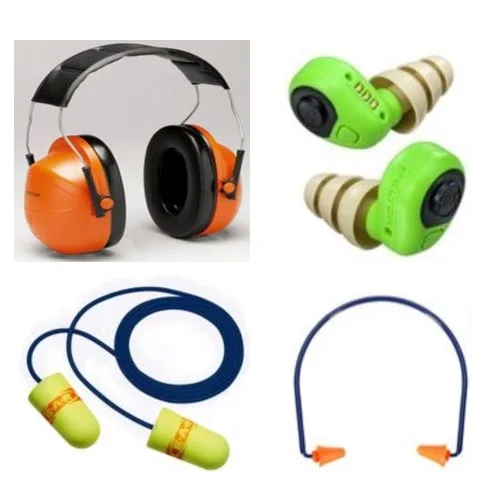
- Earmuffs (NRR 22 to 31). Easiest to fit correctly and fastest on and off between passes. Glasses arms break the seal, so adjust fit with them on.
- Foam earplugs (NRR 29 to 33). Strong numbers on paper, weak in practice. The plug must be rolled tight, inserted deep, and held while it expands. Most wearers get a fraction of the rating.
- Dual protection (muffs plus plugs). For zero-turn operators and full-time crews. The ratings don’t simply add, but the combo meaningfully beats either alone.
Field math: researchers commonly derate the NRR by half for real-world wear. A 27-NRR muff worn well delivers maybe 13 to 14 dB of true protection. That turns a 94 dB(A) mower into roughly 80 at your ear.
Safe for a full morning.
Branch 2: You’re Checking a Noise Ordinance or Neighbor Complaint
Different question, different number. Here the mower isn’t hurting you. It’s potentially breaking a local code or a neighbor’s patience.
Finding Your Local Decibel Cap and Quiet Hours
Start with your city or county code. Search “[your city] noise ordinance” and find the nuisance or noise chapter. Two numbers usually matter:
- Property-line decibel caps. Many residential codes limit sound at the neighbor’s line, commonly 55 to 65 dB(A) during daytime hours.
- Quiet hours. A window, often 10 p.m. to 7 a.m., when stricter limits apply or powered lawn equipment is banned outright.
HOAs stack a second rulebook on top. Their quiet hours can be stricter than the city’s, and their enforcement moves faster.
There’s no federal decibel limit for consumer mowers in the US. The EPA studied mower noise back in the 1970s, but its noise office lost funding in the early 1980s, so regulation fell entirely to local governments. Your answer lives in your municipal code.
Measuring Your Mower the Right Way (So the Number Holds Up)
If you’re documenting a complaint, or defending against one, a sloppy measurement is worse than none.
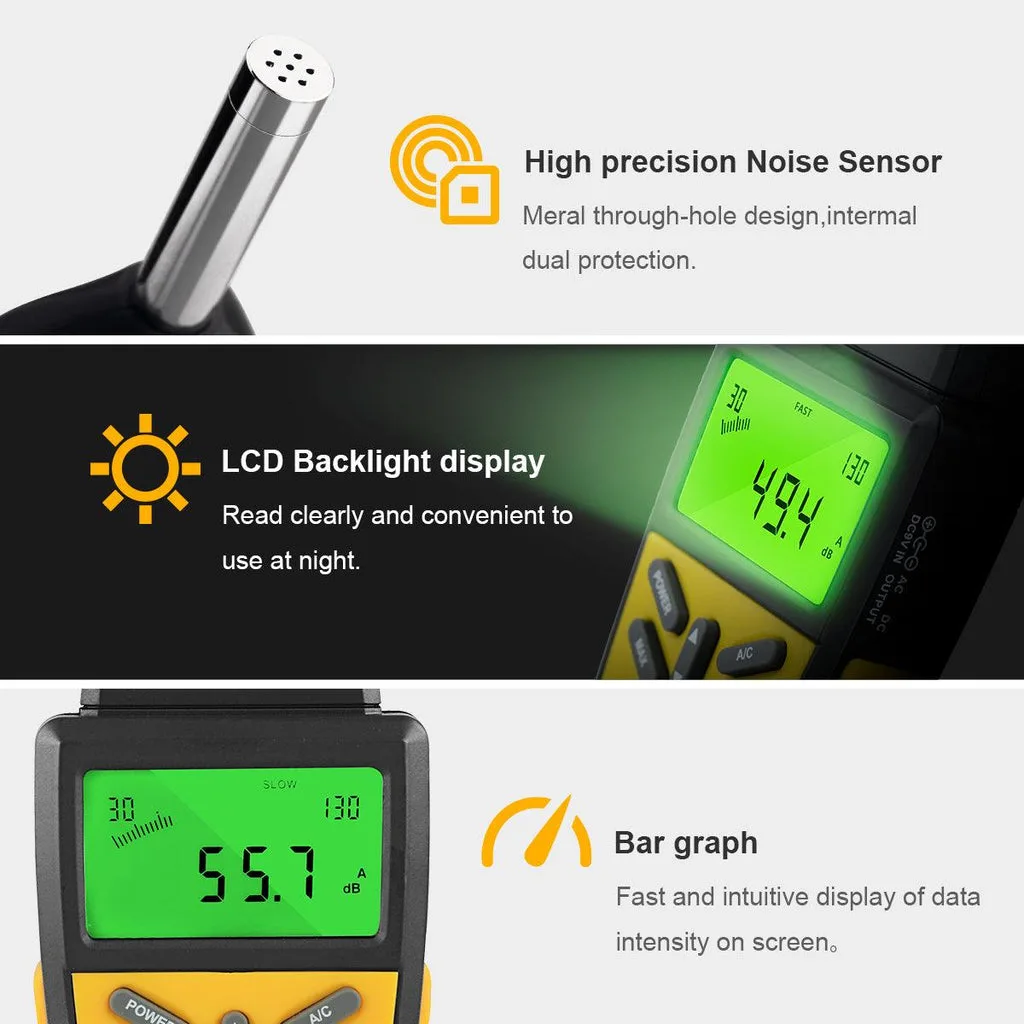
- Use a meter meeting IEC 61672 Class 2 or better. The NIOSH Sound Level Meter app on iOS is a credible free option, built and validated by the agency itself.
- Set the meter to A-weighting, slow response. That matches how ordinance limits are written.
- Measure at the point the code specifies, usually the property line, with the mower under normal cutting load.
- Log the date, time, model, and distance. Disputes turn on documentation.
- Take readings across several passes. One number is easy to dismiss. A pattern isn’t.
Other phone apps vary wildly because built-in microphones were never calibrated. Fine for curiosity. Risky for anything formal.
Branch 3: You’re Buying a Quieter Mower
Maybe you mow at 7 a.m. to beat the heat. Maybe the neighbor has already hinted. This branch ends in a purchase decision, so let’s rank the field honestly.
Gas vs. Battery Electric vs. Robot vs. Reel: The Noise Ladder Compared
The ranking holds across our research, manufacturer specs, and aggregate buyer reviews:
| Rank | Type | Why it’s that loud (or quiet) |
|---|---|---|
| 1 | Manual reel | No engine, no motor, just blades through grass |
| 2 | Robot mower | Small battery motor, mows during reasonable hours anyway |
| 3 | Battery electric push | Motor whine only, no combustion roar |
| 4 | Corded electric push | Same as battery, tethered |
| 5 | 4-stroke gas push | Combustion plus blade noise |
| 6 | 2-stroke gas push | Louder, higher-pitched character |
| 7 | Riding mower | Bigger engine, seat sits near the deck |
| 8 | Zero-turn | Biggest engines, operator right over the deck |
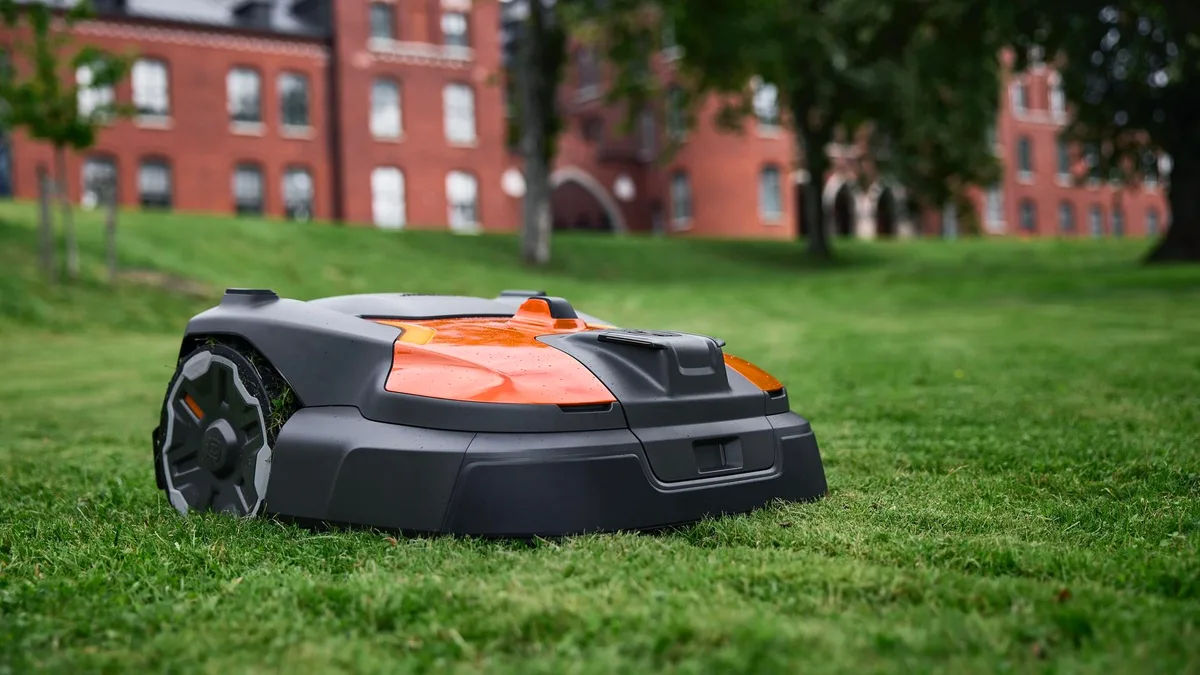
Who each option fits:
- Battery electric is best for typical suburban lots. Roughly 10 dB(A) quieter at the handle, and by the 3-dB rule that’s more than triple your safe listening time.
- Robot mowers fit anyone chasing quiet scheduling, including evening or pre-dawn runs. At 55 to 65 dB(A), many neighborhoods treat them like background noise.
- Reel mowers suit small, level, fine lawns and people who value silence over speed. If you’ve wondered why anyone still pushes one, quiet is a big part of the answer.
- Gas remains the pick for large, rough, or hilly lots where runtime and torque matter more than noise. Just budget for hearing protection in the true cost.
What to Verify Before You Buy (Spec Sheets Lie by Omission)
Manufacturers aren’t lying. They’re just quiet where it counts. Verify these before checkout:
- Ask for sound pressure at the operator’s position. Not LwA. Not a bare number with no reference point.
- Check EU labels if the brand sells there. Brands like Husqvarna, EGO, and Stihl publish LwA figures for European models, and the same platforms often ship stateside.
- Hear it in person. Some big-box stores run display units. Fifteen seconds at idle tells you more than any chart.
- Weigh the pitch, not just the level. The high-frequency whine of some electrics irritates neighbors more than a slightly louder, lower-pitched gas engine.
- Compare equal settings. Mulching and bagging raise noise on every platform, so match the modes.
Why Your Mower Got Louder — and the Maintenance That Fixes It
A mower that’s grown louder over a season is telling you something is worn, loose, or clogged. The noise is a symptom, and the fixes are cheap.
Work down this list before assuming the machine is just old:
- Muffler. Rust holes and carbon buildup are the top cause of creeping volume. A replacement usually costs $15 to $40 and bolts on in minutes.
- Loose deck hardware. Vibrating bolts buzz like a snare drum. Torque them down at the start of every season.
- Dull or unbalanced blades. A chipped blade makes the deck resonate and the engine labor. Sharpen and balance at least yearly.
- Bagger and discharge-chute rattle. Loose mounts amplify clatter. Tighten them or add rubber washers.
- Dirty air filter. A starved engine works harder and roars louder. Our proven air filter cleaning method takes ten minutes.
- Worn bearings. A rumble that changes with blade or wheel speed points to bearings. That’s a repair-shop job.
Fold this check into your spring service routine, right after the oil change and blade sharpening. A quieter mower is a free side effect of one that’s simply cared for.
Common Mistakes That Give You the Wrong Number
Every one of these errors leads to a bad decision somewhere down the line:
- Comparing LwA to operator-ear dB(A). The EU sound power number always reads higher. Mixing them makes electric mowers look no better than gas.
- Forgetting distance. Quoting a 68 dB(A) figure from 50 feet as if it describes the handle understates your real exposure by about 25 dB.
- Trusting uncalibrated phone apps. Built-in microphones can drift 10 dB or more between devices. Fine for rough comparisons, not for disputes.
- Measuring at idle. An unloaded engine reads 5 dB(A) or more lower than one cutting real grass.
- Ignoring duration. A 95 dB(A) machine for 10 minutes harms less than an 88 dB(A) machine for 5 hours. The NIOSH ladder beats the raw number every time.
- Assuming electric means silent. A battery push mower still runs 65 to 80 dB(A) at your ears. Quieter, not quiet.
- Wearing protection wrong. Loose muffs and shallow plugs surrender half the rated protection or more.
Your Decision Guide: The Number You Need, Based on Why You Asked
Three branches, three answers, one machine. Here’s the whole article compressed into a table you can act on:
| Your situation | The number you need | Where it comes from | What to do |
|---|---|---|---|
| Protecting your hearing | dB(A) at the operator’s ear | Your mower type + the Branch 1 chart | Match session length to the NIOSH ladder; add protection past an hour on gas |
| Ordinance or neighbor dispute | dB(A) at the property line | Your municipal code + a Class 2 meter or NIOSH app | Measure under load at the code’s distance, log readings, mow outside quiet hours |
| Buying quieter | The full noise ladder + verified specs | Branch 3 table + manufacturer confirmation | Favor battery electric or robot; verify operator-position ratings before buying |
If you keep just three numbers, keep these: 85 dB(A) is the NIOSH line for an 8-hour day, a gas push mower runs 85 to 95 dB(A) at your ears, and every doubling of distance buys back about 6 dB.
One last practical note. If your mower has gotten loud enough to send you reading about decibels, check the cheap fixes first. A muffler swap or a tightened deck bolt solves the problem for a lot of people.
Frequently Asked Questions
How many decibels is a lawn mower at the operator’s ear?
A gas push mower measures 85 to 95 dB(A) at the operator’s ear. Riding mowers hit 90 to 95 dB(A) at the seat. Zero-turns reach 95 to 100 dB(A).
Battery electric mowers run 65 to 80 dB(A), and engineless reel mowers are quietest at 60 to 68 dB.
Is a lawn mower loud enough to cause hearing damage?
Yes. A gas mower at 90 dB(A) caps your unprotected exposure at roughly 2.5 hours per day under NIOSH guidance. Weekly mowing without protection can cause permanent noise-induced hearing loss and tinnitus over time.
Earmuffs or properly inserted earplugs remove most of that risk.
How far away can you hear a lawn mower?
Sound drops about 6 dB each time distance doubles. A mower reading 92 dB(A) at the handle falls near 74 dB(A) at 25 feet and about 68 dB(A) at 50 feet. At those distances it’s a neighbor nuisance, not a hearing hazard.
Do I need ear protection when mowing?
Wear it if you run a gas mower longer than an hour, or any zero-turn at all. Electric push mowers under 85 dB(A) are generally fine for typical session lengths. Choose earmuffs rated NRR 22 to 31 for easy, reliable fit, and derate the rating by half when doing the math.
Why is my lawn mower louder than it used to be?
The usual culprits are a rusted or carbon-clogged muffler, loose deck hardware, dull or unbalanced blades, rattling bagger mounts, and a dirty air filter. Most fixes cost under $40 and take minutes. Restore those and the original noise level usually comes back with them.
What is the quietest type of lawn mower?
Manual reel mowers are quietest at 60 to 68 dB, followed by robot mowers at 55 to 65 dB(A). Among powered push mowers, battery electric models run about 10 dB(A) below gas. Under the 3-dB exchange rule, that difference more than triples your safe listening time.
Branch 3: You’re Buying a Quieter Mower
If noise is what’s pushing you toward a new machine, this branch ends at checkout. The quiet end of the market has never been better stocked. The trick is knowing which numbers on the box actually predict what you’ll hear standing behind the deck.
Gas vs. Battery Electric vs. Robot vs. Reel: The Noise Ladder Compared
Ranked quietest to loudest, using manufacturer ratings at the measurement points we covered earlier:
| Rank | Type | Typical level | Best for |
|---|---|---|---|
| 1 | Robot mower | 55-65 dB(A) | Scheduled cutting, night-friendly lots |
| 2 | Manual reel | 60-68 dB | Small, flat, fine lawns |
| 3 | Battery electric push | 65-78 dB(A) | Typical suburban lots |
| 4 | Corded electric push | 68-80 dB(A) | Small lots near an outlet |
| 5 | 4-stroke gas push | 85-92 dB(A) | Thicker turf, larger areas |
| 6 | Riding mower | 90-95 dB(A) | Half-acre and up |
| 7 | Zero-turn | 95-100 dB(A) | Acreage where speed wins |
Who each option actually suits:
- Battery electric runs roughly 10 dB(A) under gas at the handle. By the 3-dB rule, that more than triples your safe listening time. Brushless motors are the quieter spec to hunt for.
- Robot mowers cut while you do something else, and 55-65 dB(A) reads as background hum to most neighbors. Check quiet hours anyway, since some codes restrict any powered equipment by clock time.
- Reel mowers offer the engineless route and a genuinely silent cut. The trade is a small, level lawn and a tighter mowing schedule.
- Gas still wins for rough, hilly, or multi-acre ground. If that’s your lot, price a set of muffs into the purchase.
- Zero-turn machines are the loudest category because the operator sits right over the deck. If you’re eyeing lap-bar style riders, budget for dual protection.
What to Verify Before You Buy (Spec Sheets Lie by Omission)
Manufacturers aren’t lying to you. They’re just quiet where it counts. As of 2026, US spec sheets still skip operator-position noise ratings more often than they publish them.
- Ask specifically for sound pressure at the operator position, in dB(A). LwA is a different animal, and it always reads higher.
- Brands selling in Europe must print a guaranteed LwA figure. That label at least lets you compare two mowers of the same type against each other.
- Bigger platforms tend to be louder, so the voltage rating on a battery model hints at its noise class before you ever hear it run.
- Listen in person when you can. Many dealers run display units, and fifteen seconds of idle plus a blade engagement beats any chart.
- Test the mode you’ll actually use. Mulching adds noise on every platform, and a bagger adds rattle.
Why Your Mower Got Louder, and the Maintenance That Fixes It
A mower that crept up in volume over a season is diagnosing itself. The noise is a symptom, and the cure usually costs less than a takeout dinner.
Run this table before you blame age:
| Symptom | Likely cause | Fix | Typical cost |
|---|---|---|---|
| Raspy, hollow roar | Rust holes or carbon in the muffler | Replace the muffler | $15-40 |
| Metallic buzz under the deck | Loose deck or blade bolts | Torque to spec | Free |
| Labored, chugging note | Clogged intake or stale fuel | Clean the filter, fresh fuel | $5-15 |
| $5-15 |
| Squeal that rises with blade speed | Worn spindle or wheel bearings | Replace the bearing | $10-25 |
|---|---|---|---|
| Clatter on every pass | Loose bagger or chute mounts | Tighten, add rubber washers | Free |
Nine times out of ten it’s a clogged intake, and cleaning that filter properly takes ten minutes. Fresh fuel matters too, since stale gas makes an engine surge and roar in bursts.
A raspy exhaust is noise. Smoke alongside it is a different problem, so diagnose that separately before you start swapping parts.
One warning before you pull the blade to sharpen it: most blades turn the opposite way from what you’d guess, and forcing the wrong direction strips the bolt. That turns a free fix into a new spindle.
Fold these checks into your spring routine, right after routine engine service and blade sharpening. Then handle off-season storage correctly, and the quiet tends to carry into next season, too.
Common Mistakes That Give You the Wrong Number
A bad number here isn’t trivia. It either under-protects your hearing or sinks a legitimate complaint. These are the errors we run into most, with the fix for each.
- Quoting a distance reading as the whole story. A 68 dB(A) figure taken at 50 feet says nothing about the 92 dB(A) at your hands. Every number needs its distance attached.
- Comparing LwA to operator-ear readings. Sound power always runs higher than sound pressure for the same machine. Mixing the two makes an electric mower look as loud as a gas one.
- Measuring at idle. An unloaded engine reads 5 dB(A) or more quieter than one cutting real grass. Safety math and ordinance checks both need the machine under load.
- Trusting an uncalibrated phone app. Built-in microphones drift up to 10 dB between devices. The validated NIOSH app is the only exception worth relying on.
- Ignoring duration. Ten minutes at 95 dB(A) does less harm than five hours at 88 dB(A). The exposure ladder beats the peak number every time.
- Assuming electric means silent. A battery push mower still measures 65 to 80 dB(A) at the handle. Quieter, not quiet.
- Wearing protection loosely. Muffs parked over a hat brim and half-inserted foam plugs surrender half their rated NRR or more. Fit is the spec that actually matters.
Miss any one of these and you end up confident in a number that’s wrong in exactly the direction that costs you.
Frequently Asked Questions
How many decibels is a gas mower at the operator’s ear?
A gas push mower measures 85 to 95 dB(A) at your ears. Riding mowers hit 90 to 95 dB(A) at the seat, and zero-turns reach 95 to 100 dB(A). Battery electrics run 65 to 80 dB(A), and engineless reel mowers sit near 60 to 68 dB.
Is 90 decibels loud for a lawn mower?
Yes, 90 dB(A) is typical for a gas push mower at the handle. Under NIOSH guidance, it caps unprotected exposure at roughly 2.5 hours per day. Weekly mowing without protection can build toward permanent hearing damage over a few seasons.
Do I need ear protection when mowing?
Wear it any time a gas mower runs past an hour, or with any zero-turn at all. Electric push mowers under 85 dB(A) are generally fine for typical sessions. Pick earmuffs rated NRR 22 to 31, then mentally halve that rating when you do the math.
How far away can you hear a lawn mower?
The level drops about 6 dB each time distance doubles. A mower reading 92 dB(A) at the handle falls near 74 dB(A) at 25 feet and 68 dB(A) at 50 feet. Past that range it becomes a nuisance question rather than a safety one.
Why is my mower louder than it used to be?
Rust or carbon buildup in the muffler tops the list, followed by loose deck hardware, dull or unbalanced blades, rattling bagger mounts, and a clogged filter. Nearly every fix costs under $40. A mower that turned suddenly raspy usually needs a muffler, not a replacement.
What is the quietest type of lawn mower?
Manual reel mowers lead at 60 to 68 dB, followed by robot mowers at 55 to 65 dB(A). Among powered push mowers, battery electric runs about 10 dB(A) below gas. Under the 3-dB exchange rule, that gap more than triples your safe listening time.
Your Decision Guide: The Number You Need, Based on Why You Asked
Three branches, three answers, one machine. Here’s everything above compressed into a table you can act on.
| Why you asked | The number you need | Where to get it | Your next move |
|---|---|---|---|
| Protecting your hearing | dB(A) at the operator’s ear | Branch 1 chart, matched to your mower type | Match session length to the NIOSH ladder and add muffs past an hour on gas |
| Ordinance or neighbor dispute | dB(A) at the property line | Your municipal code, measured with a Class 2 meter or the NIOSH app | Log dated readings under load and mow outside quiet hours |
| Buying quieter | The full noise ladder plus verified specs | Branch 3 table, confirmed with the seller | Favor battery electric or robot, and verify operator-position ratings before paying |
For context, OSHA enforces the workplace version of these limits, so professional crews have even less slack than homeowners do.
If you keep just three numbers, keep these. 85 dB(A) is the 8-hour safety line. A gas push mower runs 85 to 95 dB(A) at your ears. Every doubling of distance buys back about 6 dB.
And if your mower got loud enough to send you searching in the first place, start with the cheap fixes before you shop. On lots under a quarter acre, going engineless entirely deserves a serious look. On acreage where you’ll live in the seat, lap-bar machines are the loudest category on the ladder, so plan hearing protection into the purchase.