Is Perennial Ryegrass Heat Tolerant? The Hidden Truth
Perennial ryegrass will survive summer heat in the right conditions, but it’s not naturally heat tolerant like bermudagrass or zoysiagrass. The answer to “is perennial ryegrass heat tolerant” depends on your climate, the cultivar you plant, and how you manage it.
NTEP trials show modern turf-type varieties handle heat better than older forage types, but even the best will thin out when soil temps climb above 80°F. If you’re in the transition zone, this is the make-or-break question for your lawn.
Is Perennial Ryegrass Heat Tolerant
Perennial ryegrass is a cool-season grass. It grows best at 65 to 75°F. Heat tolerance is limited above 85°F.
Improved cultivars survive better than older types.
Air Temperature vs. Soil Temperature: What Matters Most?
Both air and soil temperatures affect perennial ryegrass, but they stress the plant in different ways. High air temperatures put stress on the grass blades and slow growth. Warm soil creates problems for the roots, making it harder for them to absorb water and support healthy growth.
This is why a few hot afternoons may not kill your lawn, but several weeks of heat can cause serious damage. Soil temperatures above 80°F can reduce root activity, while air temperatures above 85°F can slow growth. These are warning points, not fixed survival limits. Cultivar, moisture, and nighttime temperatures also matter.
Why Perennial Ryegrass Struggles in Heat (And When It Actually Holds Up)
Perennial ryegrass is built for cool weather. Its growth slows sharply when air temps hit the mid-80s, and root function drops off when soil temps pass 80°F. The plant burns more energy at night than it makes during the day, which is why it thins out even if you water it.
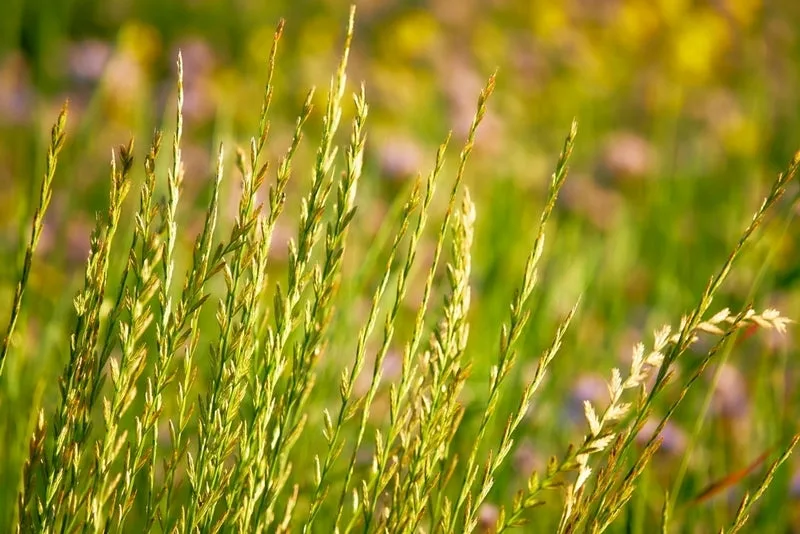
Image source: Bing (Web (fair-use with source credit))
That said, it’s not hopeless. In the transition zone, turf-type cultivars like ‘Uno’ or ‘Pizzazz’ can hold color through summer if they’re well-rooted and disease-free. The key is that they survive, not thrive.
Think of it like a marathon runner in a sprint, they’ll finish, but they won’t set a record.
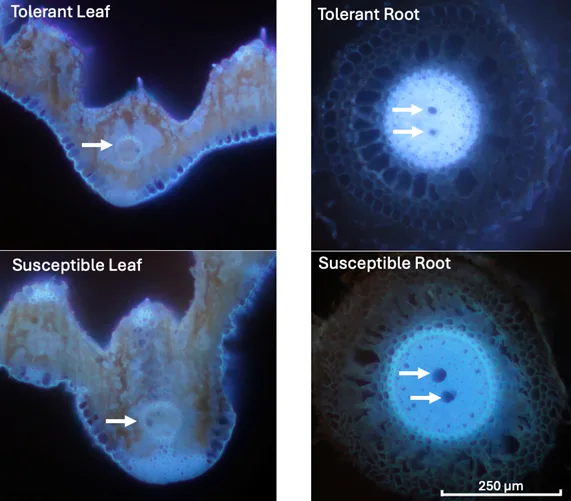
Image source: Web (Bing) / winterturf.umn.edu
The root system tells the story. Perennial ryegrass has a shallow, fibrous network that typically only goes 6 to 12 inches deep. When the top layer of soil heats up, the roots can’t pull enough water to keep up.
That’s why deep, infrequent watering is non-negotiable. Light daily sprinkles train the roots to stay near the surface, where they bake.
For more on routine upkeep, timing your cuts right helps reduce stress. And if you’re starting fresh, a smart start with good soil prep gives roots the best shot.
The 3 Conditions That Decide Whether Your Ryegrass Survives Summer
Your lawn’s fate comes down to three variables. Get these right, and perennial ryegrass can hang on through summer. Miss one, and you’ll see thin patches by August.
Climate and zone. Perennial ryegrass is a cool-season grass, so it’s at home in the North. In the transition zone (roughly USDA zones 6, 7), it’s a gamble. South of that, it’s a temporary winter cover at best.
Check your USDA plant hardiness zone to see where you stand.
Cultivar choice. Not all perennial ryegrass is created equal. Turf-type varieties bred for heat stress, like ‘Brightstar SLT’ or ‘Paragon’, outperform older forage types by a wide margin. NTEP trials are the gold standard for picking a winner in your region.
Management. This is the part you control. Mowing high, watering deep, and avoiding nitrogen in summer can mean the difference between a lawn that thins and one that disappears. Disease pressure spikes in heat and humidity, so preventive fungicides help if you’re in a high-risk area.
If you’re overseeding bermudagrass for winter color, the transition timing matters just as much as the heat itself.
Turf-Type vs. Forage-Type: The Cultivar Split That Changes Everything
The single biggest mistake people make is assuming all perennial ryegrass is the same. It’s not. Turf-type and forage-type are two different animals, and the wrong choice will leave you with a dead lawn by July.
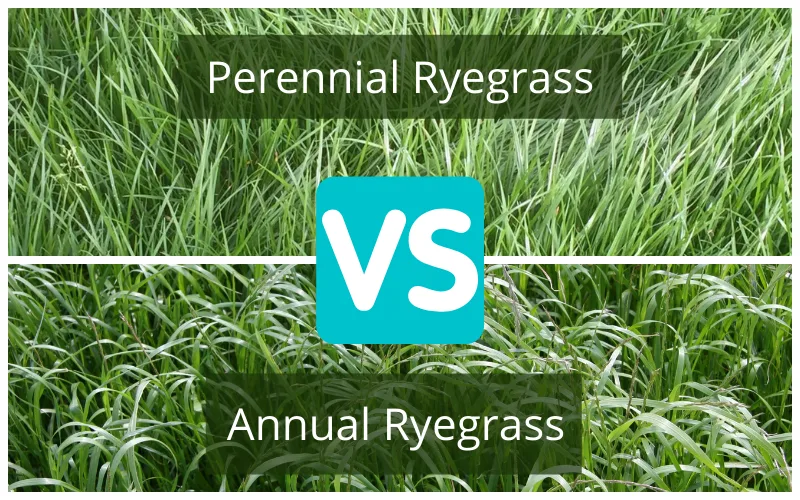
Image source: Bing (Web (fair-use with source credit))
Turf-type perennial ryegrass is bred for lawns. It has finer blades, better disease resistance, and improved heat tolerance. Cultivars like ‘Pizzazz’ and ‘Uno’ are NTEP-tested and proven to hold up in summer stress.
They’re also more expensive, but the difference is night and day.
Forage-type perennial ryegrass is bred for livestock feed. It’s coarse, aggressive, and cheap, which is why it’s often sold as VNS (Variety Not Stated) seed. It germinates fast and looks great for a few weeks, but it crashes hard in heat.
If your seed bag doesn’t list a specific cultivar, assume it’s forage-type.
Here’s the kicker: even the best turf-type ryegrass won’t match bermudagrass in the Deep South. But in the transition zone, it’s a viable option if you pick the right seed. Always check the label for a named cultivar, not just “perennial ryegrass.”
For more on what to look for, the blade texture and color can help you spot the difference in your lawn.
The Summer Stress Checklist: What to Do Before the Heat Hits
If you’re counting on perennial ryegrass to make it through summer, preparation is everything. Follow this checklist to give it the best shot.
Raise the mowing height. Set your deck to 3 to 3.5 inches. Taller grass shades the soil, retains moisture, and reduces stress. Never remove more than one-third of the blade in a single cut.
Water deep and infrequent. Aim for 1 to 1.5 inches per week, including rain. Water early in the morning to reduce disease risk. Light, daily watering trains roots to stay shallow, where they’re vulnerable to heat.
Image source: Bing (Web (fair-use with source credit))
Hold off on nitrogen. Fertilizing in summer fuels top growth at the expense of roots. It also increases disease susceptibility. If you must feed, use a light dose of potassium to strengthen cell walls.
Monitor for disease. Brown patch and Pythium blight explode in hot, humid weather. Scout for circular brown patches or water-soaked lesions. Preventive fungicides can help if you’re in a high-risk area.
Aerate and dethatch. Compacted soil and thick thatch restrict root growth. Core aeration in early summer opens up the root zone for better air and water movement.
Avoid heavy traffic. Perennial ryegrass recovers poorly from wear in heat. Keep kids and pets off stressed areas until temps cool down.
For more on the correct fluid level and timing, consistency beats volume. And if you’re seeing brown patches, early action can save your lawn.
How to Tell If Your Ryegrass Is Dying or Just Dormant
Dormant ryegrass turns brown but the crowns stay alive. Dead ryegrass pulls up easily with no green tissue at the base.
Check the roots. Healthy roots are white and firm. Rotten or mushy roots mean disease or waterlogging.
Look at the pattern. Heat stress causes uniform browning. Disease shows circular patches or irregular spots.
If the lawn greens up after rain or cooler temps, it was dormant. If it stays brown, it’s likely dead.
When to Walk Away: Warm-Season Alternatives That Actually Thrive in Heat
Perennial ryegrass struggles above 85°F. Warm-season grasses handle heat better.
Bermudagrass loves heat and recovers fast from wear. It needs full sun and goes dormant in winter.
Zoysiagrass tolerates heat and some shade. It’s slower to establish but forms a dense turf.
St. Augustinegrass handles humidity well. It needs more water and is prone to thatch.
Buffalograss is drought tolerant and low maintenance. It’s best for low-traffic areas.
In the transition zone, overseeding bermuda with ryegrass gives year-round green. But in the Deep South, warm-season grasses are the better long-term choice.
For more on a reliable machine for your lawn, consider the climate first.
Common Mistakes That Kill Ryegrass Faster Than the Temperature
Daily light watering trains roots to stay shallow. Deep, infrequent watering builds deeper roots.
Mowing too short stresses the plant. Keep the blade at 3 to 3.5 inches in summer.
Fertilizing in summer fuels disease. Hold off on nitrogen until fall.
Ignoring disease signs lets problems spread. Brown patch and Pythium need early treatment.
Planting forage-type seed sets you up for failure. Always choose turf-type cultivars.
Overseeding too late in spring gives roots no time to establish. Fall is the best time to plant.
For more on a smart start, soil prep matters as much as seed choice.
FAQs About Perennial Ryegrass and Heat Tolerance
Will perennial ryegrass come back after summer dormancy
Yes, if the crowns stay alive. Water deeply once a week to keep roots hydrated. Avoid heavy traffic on dormant areas.
Can I plant perennial ryegrass in summer
It’s risky. Soil temps above 80°F stress seedlings. If you must, water twice daily and use shade cloth.
For more on summer germination, timing is everything.
How much water does perennial ryegrass need in heat
Aim for 1 to 1.5 inches per week, including rain. Water early in the morning to reduce evaporation and disease risk.
For more on topping it up, consistency beats volume.
What’s the best mowing height for perennial ryegrass in summer
Set your deck to 3 to 3.5 inches. Taller grass shades the soil and retains moisture.
For more on the smart cutting guide, height helps beat the heat.
Is perennial ryegrass good for Southern lawns
It’s not ideal. It struggles in prolonged heat and humidity. Warm-season grasses like bermuda or zoysiagrass are better choices.
For more on my honest take, climate is the deciding factor.