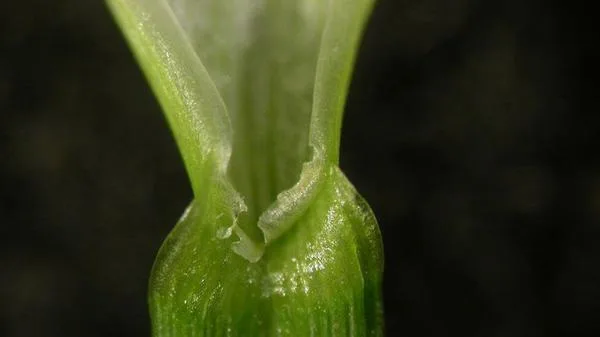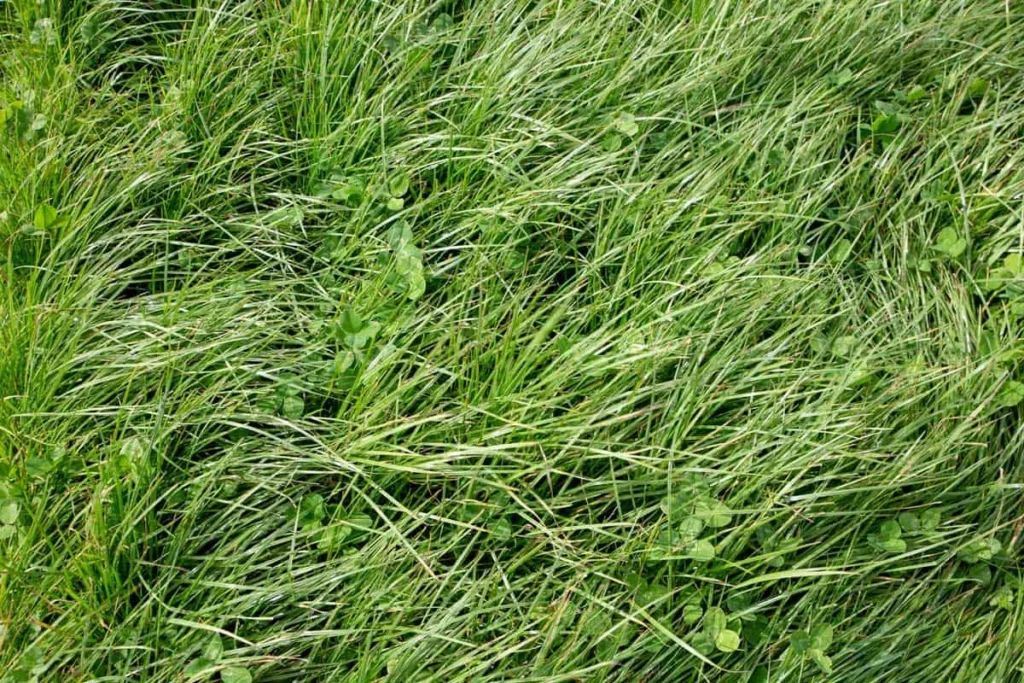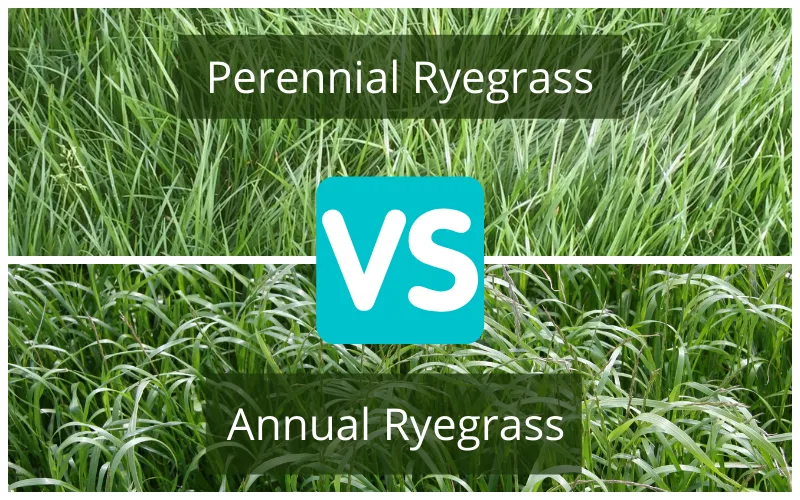
How to Make Perennial Ryegrass Thicker: Simple, Proven Steps
Perennial ryegrass doesn’t spread on its own, so when it thins out, you’re looking at a repair job. How to make perennial ryegrass thicker starts with fixing what’s stopping tillering, the only way this bunch-type grass fills in gaps.
Soil compaction, thatch over ½ inch, and shade under 4 hours of sun are the usual culprits. A soil test and five quick checks will tell you which branch to take.
How to Make Perennial Ryegrass Thicker
Perennial ryegrass thickens when tillers multiply from the crown. Aerate compacted soil first. Overseed in early fall with 3, 4 lb per 1,000 sq ft.
Keep the seed moist until germination. Mow high and fertilize in fall for best density.
Why Perennial Ryegrass Thins Out (And Why Overseeding Alone Rarely Fixes It)
Perennial ryegrass is a bunch-type grass. It grows in clumps and only spreads by tillering from the crown. No rhizomes or stolons mean it can’t self-repair bare spots.
Thatch over ½ inch blocks water and seed-to-soil contact. Compaction suffocates roots and limits tiller growth. Shade under 4 hours of sun starves the plant of light needed for density.
Overseeding without fixing these issues wastes seed and time. The grass will germinate but thin out again within weeks.
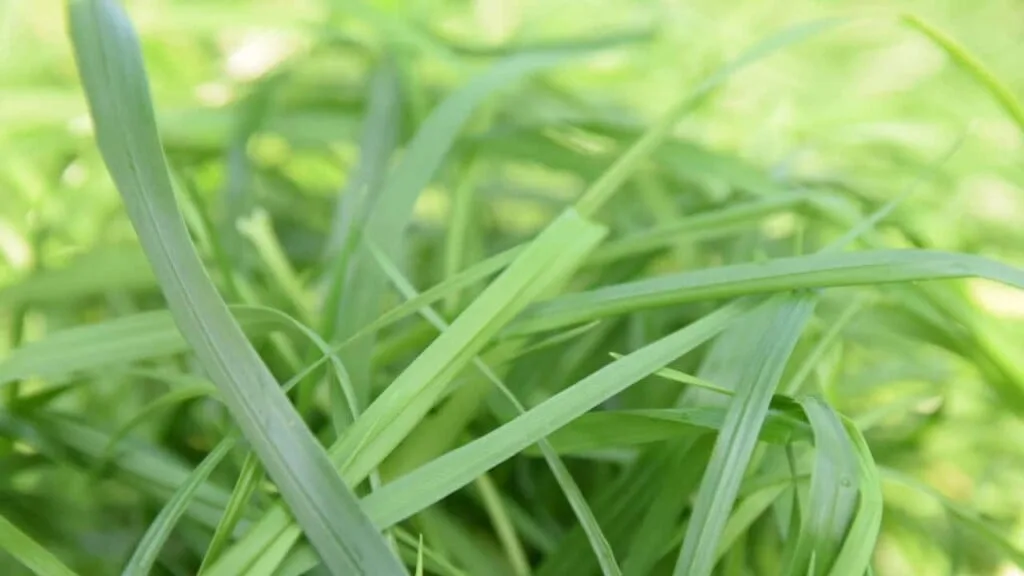
Image source: Web (Bing) / planetnatural.com
Diagnose First: The Five Checks That Decide Your Branch
Start with a thatch check. Dig a small square of turf and measure the brown layer between green grass and soil. If it’s over ½ inch, dethatching is your first step.
Next, test compaction. Push a screwdriver or soil probe into the ground. If it won’t go in 2, 3 inches easily, core aeration is needed.
Check sun exposure. Track how many hours of direct sunlight the area gets. Perennial ryegrass needs at least 4, 6 hours to thicken.
Deep shade means it won’t recover, no matter what you do.
Look for disease patterns. Gray leaf spot shows as small, gray-brown lesions with dark borders. Red thread appears as pinkish-red strands in the turf.
Identify the issue before treating.
Review herbicide history. If pre-emergent was applied recently, check the label for the waiting period before overseeding. Some products block germination for 4, 16 weeks.
Step-by-Step Plan to Make an Existing Perennial Ryegrass Lawn Thicker
Making an existing perennial ryegrass lawn thicker takes more than spreading extra seed. Follow these steps to fix the underlying problems and encourage healthy growth.
1. Find the cause: Check for excessive thatch, compacted soil, poor sunlight, disease, and herbicide residue. Identify what is weakening the grass before starting repairs.
2. Prepare the soil: Dethatch if the layer exceeds ½ inch. Core aerate compacted areas and correct pH problems based on a soil test.
3. Choose the right time: Plan major overseeding for early fall. Give seedlings enough time to establish before the first frost.
4. Overseed thin areas: Use 3–4 lb of perennial ryegrass seed per 1,000 square feet. Slit seeding helps improve seed-to-soil contact.
5. Maintain new growth: Keep the seedbed moist until germination. Once seedlings establish, adjust watering, mowing height, and fall fertilization to encourage thicker growth.
After completing these steps, focus on the specific soil and growing conditions that could cause thinning again.
Branch A: Fix the Soil — Thatch, Compaction, and pH
Core aeration is the best fix for compaction. Use a machine with hollow tines to pull 2, 3 inch plugs, spaced 2, 3 inches apart. Make 2, 3 passes in different directions for best results.
Dethatch if the layer exceeds ½ inch. Use a dethatching rake or verticutter for small areas. For larger lawns, a power rake works best.
Do this in early fall or spring when the grass is actively growing.
Topdressing improves soil structure. Spread a ¼ inch layer of compost or a sand-soil blend after aeration. This helps break down thatch and improves seed-to-soil contact.
Test soil pH and amend if needed. Perennial ryegrass thrives in a pH range of 6.0, 7.0. Apply lime to raise pH or sulfur to lower it, based on soil test results.
Level low spots before seeding. Use a mix of topsoil and compost to fill depressions. This prevents water pooling and ensures even growth.

Image source: Web (Bing) / turfmasterslawncare.com
Branch B: Fix the Environment — Shade, Heat, Water, and Traffic
Perennial ryegrass won’t thicken in deep shade. If trees or buildings block sunlight for most of the day, consider shade-tolerant alternatives like fine fescue. Pruning trees to allow more light can help.
Raise mowing height in summer. Set the blade to 3, 3.5 inches to reduce stress and encourage deeper roots. Never remove more than a third of the blade length in one mow.
Water deeply and infrequently. Aim for 1, 1.5 inches per week, including rainfall. Light, frequent watering promotes shallow roots and weak turf.
Manage traffic and drainage. High-traffic areas may need temporary barriers or pathways to protect the grass. Improve drainage in low spots to prevent waterlogging.
In the transition zone, expect summer decline. Perennial ryegrass struggles in heat and humidity. Plan for annual fall overseeding to maintain density.
For a reliable machine that handles these conditions, focus on proper timing and preparation.
Branch C: Fix the Stand — Mowing, Nitrogen Timing, and Seeding Rates
Mowing height directly affects density. Keep blades at 2, 3 inches in spring and fall. Raise to 3, 3.5 inches in summer to reduce stress.
Nitrogen timing matters more than total amount. Apply 0.5, 1 lb per 1,000 sq ft in early fall and late fall. Avoid heavy spring feeding that fuels disease.
Seeding rates vary by goal. Use 6, 8 lb per 1,000 sq ft for new lawns. Overseeding thin areas needs 3, 4 lb.
Light touch-ups require 1, 2 lb.
Slit seeding beats broadcast for bare spots. The grooves ensure seed-to-soil contact. Topdress with ¼ inch compost after seeding.
First mow comes when seedlings hit 2.5, 3 inches. Use a sharp blade and never remove more than a third. Bagging isn’t needed for the first cut.

Image source: Web (Bing) / ipm.missouri.edu
Branch D: Fix the Pressure — Disease, Weeds, and Herbicide Timing
Gray leaf spot thrives in humid summers. Reduce nitrogen in late spring. Water early morning to let foliage dry.
Red thread and dollar spot appear in cool, wet springs. Improve air circulation. Avoid evening watering.
Pre-emergent herbicides block germination. Check the label for the waiting period before overseeding. Some require 4, 16 weeks.
Mesotrione is safe at seeding for some labels. Always read the fine print. Glyphosate needs 7, 14 days before reseeding.
Poa annua fills gaps quickly. Prevent it with a thick stand and proper mowing. Hand-pull small patches before they seed.
Fall vs. Spring Renovation: Timing Beats Every Product Choice
Fall is the best time for overseeding. Soil is warm but air is cool. Seedlings establish before winter.
Spring seeding often fails. Summer heat hits before roots are deep. Weeds compete aggressively.
Count back 4, 6 weeks from first frost. This gives seedlings time to root. Avoid late fall planting that risks winter kill.
Winter overseeding works for dormant bermudagrass. Use 8, 10 lb per 1,000 sq ft. The ryegrass dies out as bermuda returns in spring.
Annual fall overseeding maintains density in the transition zone. Treat it as routine maintenance. Skip spring unless you’re repairing damage.
Mistakes, Label Rules, and Local Restrictions That Bite You
Scalping removes crowns and kills tillers. Follow the one-third rule. Dull blades shred grass and invite disease.
Overwatering new seed causes damping-off. Keep soil moist but not soggy. Light, frequent watering is key until germination.
Cheap seed often contains annual ryegrass. Check the tag for variety names. VNS means variety not stated and is a red flag.
State laws restrict phosphorus without a soil test. Some areas ban summer nitrogen. Know local rules before fertilizing.
Pre-emergent residue is a common oversight. Track application dates. Some products persist longer than others.
Re-entry intervals matter for safety. Keep kids and pets off treated areas. Follow label instructions precisely.
Decision Guide: Match Your Lawn to the Right Fix
Thin with bare soil showing means overseed. Compacted soil needs aeration first. Thatch over ½ inch requires dethatching.
Shade under 4 hours means consider alternatives. Deep shade is a hard limit for ryegrass. Fine fescue may be a better choice.
Disease patterns guide treatment. Gray leaf spot needs nitrogen reduction. Red thread improves with better airflow.
Herbicide history dictates timing. Check the label for waiting periods. Some products allow seeding immediately.
Traffic and drainage issues need fixes. Install pathways for high-traffic areas. Improve drainage in low spots.