Will Ryegrass Germinate in the Summer? Here’s Why
Will ryegrass germinate in the summer? The short answer is sometimes. It all comes down to one thing your kitchen calendar can’t tell you: soil temperature.
If your soil stays cool enough, you can get ryegrass up and growing even in July. If it’s baking in the sun, you’re about to waste a bag of expensive seed.
Here’s the number that matters. Perennial ryegrass germination drops off a cliff once soil temperatures climb past 75°F, and by 85°F the seed essentially goes dormant before it ever gets a chance. That’s not opinion.
That’s the consistent finding across turfgrass extension research from Purdue to Oregon State. So let’s walk through exactly when summer seeding works, when it doesn’t, and how to make the call for your yard.
Quick Answer
Ryegrass can germinate in summer only if soil stays below its heat ceiling. Perennial ryegrass needs soil under 75°F. Annual ryegrass tolerates soil up to about 90°F.
Air temperature is misleading. Measure actual soil temperature. If your soil is too hot, the seed won’t sprout.
If you can cool the soil with shade and water, you have a shot. Otherwise, wait for fall.
The Two Ryegrasses: Why Annual and Perennial Behave Differently in Heat
Most people talk about ryegrass like it’s one plant. It’s not. And the difference between the two main types is the first fork in your summer seeding decision.
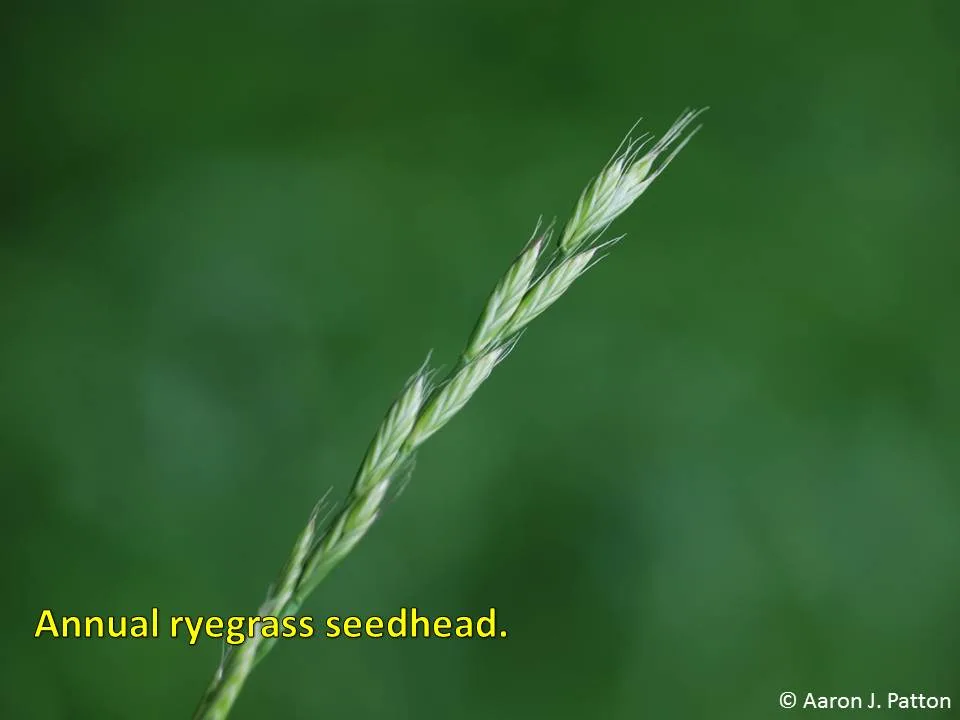
Perennial ryegrass (Lolium perenne) is the one you want for a lasting lawn. It’s fine-textured, deep green, and forms a dense turf that handles foot traffic. But it’s a cool-season grass through and through.
Its germination sweet spot sits between 50°F and 65°F soil temperature. Once the soil probe reads 75°F, germination slows to a crawl. By 85°F, the embryo inside the seed essentially shuts down and won’t wake unless conditions change.
Perennial rye is the pickier of the two, and that pickiness sets the terms for most summer seeding questions.
Annual ryegrass (Lolium multiflorum) germinates faster and tolerates warmer soil. You’ll see it sprout in soil up to around 90°F, which buys you a much wider summer window. The trade-off?
It’s a temporary grass. It grows coarse, clumps a bit, and dies with the first hard frost or summer heatwave, depending on your climate. It’s widely used for erosion control on construction sites and as a quick nurse crop, not for a permanent lawn.
If you just need something green for a few months, annual rye is remarkably forgiving.
Here’s a quick side-by-side so you can see why the choice matters:
| Trait | Perennial Ryegrass | Annual Ryegrass |
|---|---|---|
| Germination soil temp range | 50–65°F ideal, fails above 85°F | 55–75°F ideal, can sprout up to ~90°F |
| Germination speed | 7–10 days in good conditions | 5–7 days |
| Seedling heat survival | Poor without cooling measures | Poor, but establishes faster |
| Lawn quality | Fine, dense, traffic-tolerant | Coarse, clumpy, temporary |
| Best summer use case | Patch small shady spots with cooling | Quick erosion cover or temporary green |
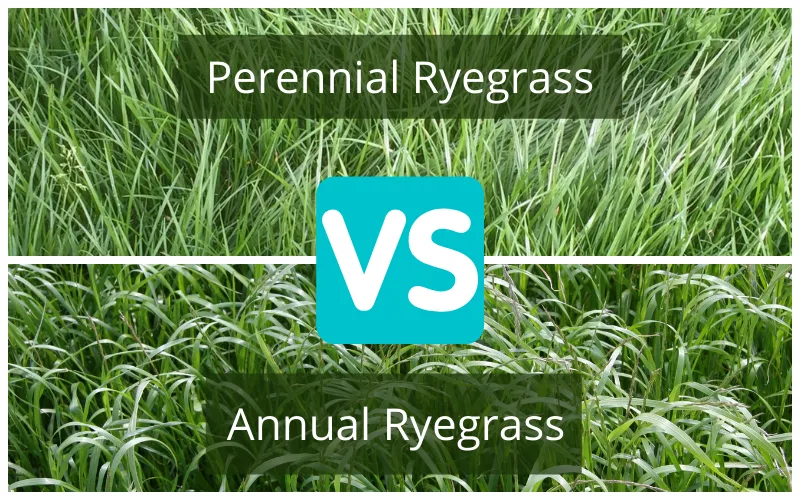
If you’re trying to identify which one you already have growing, the leaf structure and clumping habit are dead giveaways.
A Simple Decision Flow: Should You Even Try It?
This is where most summer seeding advice falls apart. A blanket “don’t do it” ignores that a shady yard in coastal Maine has completely different soil conditions than a full-sun lawn in Kansas. Let’s run through the decision tree.
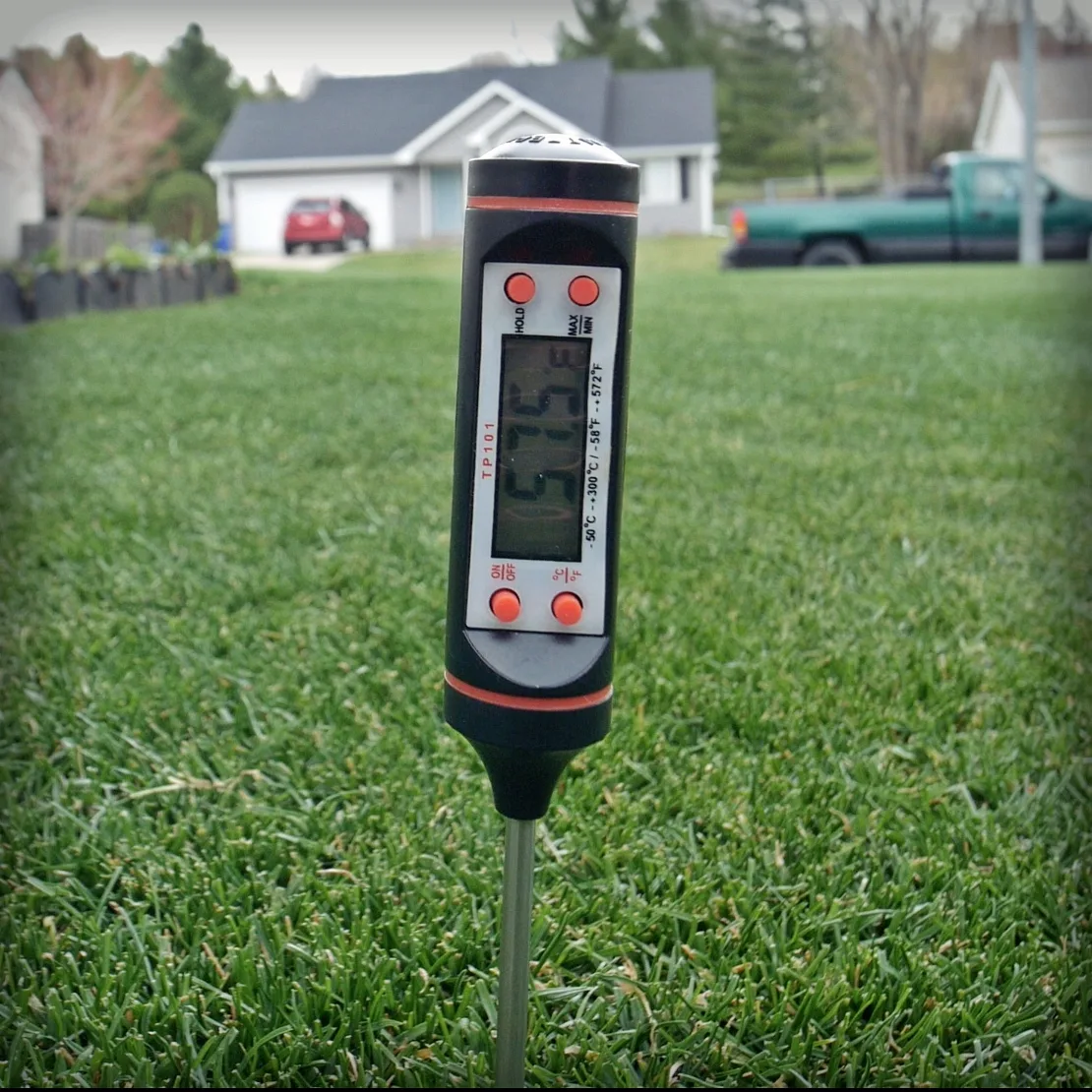
Step one: measure your actual soil temperature. Don’t guess. A cheap soil thermometer costs less than a bag of seed and will save you from a frustrating failure. Push the probe to about a quarter-inch depth, the level where grass seed actually sits.
Take readings at 8 a.m. and again at 2 p.m. for three days straight. If the afternoon reading stays above 85°F for perennial rye or above 90°F for annual, germination is a non-starter.
Step two: check your water situation. Summer-seeded ryegrass needs light, frequent watering three to four times a day for at least the first two weeks. The seedbed must stay constantly moist, never soggy but never drying out. If your town has odd/even watering restrictions or you don’t have an irrigation timer that can run multiple short cycles, the whole project is dead on arrival.
Step three: read the shade. Future shade matters. If the spot gets direct sun from noon to 4 p.m., your soil will spike. Mature trees, fences, or north-facing slopes that keep the seedbed shaded at midday change the game entirely.
A patch that’s already struggling because of summer heat is the worst place to try this. A spot that’s naturally cooler has a real chance.
The decision tree, simplified:
- Soil under 75°F daytime → seed perennial rye, standard method
- Soil 75, 85°F daytime, shaded site, reliable irrigation → possible with cooling measures
- Soil above 85°F day OR no irrigation → don’t seed perennial rye, use annual if you must
- Soil above 90°F → wait for fall, you’re burning money otherwise
For a deeper look at what that temperature spread means in practice, university extension services like Penn State Extension have published detailed turfgrass establishment guides that walk through the germination-temperature relationship with real data.
When Should You Wait Until Fall to Seed Ryegrass?
Sometimes the smartest summer seeding plan is to wait. If your soil stays above 85°F for perennial ryegrass, don’t force it. The seed is unlikely to germinate, and extra watering won’t fix overheated soil.
You should also wait if you can’t keep the seedbed consistently moist or the area gets strong midday sun with no practical way to provide shade. Those conditions make establishment much harder.
If your soil is in the borderline 75–85°F range, summer seeding can still work when you have reliable irrigation and good shade. But if you’re not in a hurry, waiting until late August or early September gives you cooler soil and better establishment conditions.
In most hot summer conditions, saving the seed for fall is the safer move.
How to Give Summer-Seeded Ryegrass Its Best Shot
Let’s say you’ve measured, checked your water, and decided conditions are borderline but workable. Maybe you’re patching a shady dog spot in July or you’re in a high-elevation area where summer nights still dip into the 50s. Here’s the playbook.
Cool the seedbed before you seed. Water the bare soil deeply the evening before. Wet soil stays cooler than dry soil, and you want every degree on your side. Then, right before seeding, give it one more light pass.
The goal is to start with soil in the low 70s, not the mid-80s.
Pick the right seed and treat it well. Go for a heat-tolerant perennial ryegrass cultivar if you want a permanent lawn. The NTEP trials rate cultivars for summer performance, and choosing one bred for heat tolerance tilts the odds in your favor. Apply a light starter fertilizer at seeding time, something phosphorus-heavy to push root development.
That shallow root system is the seedling’s biggest vulnerability.
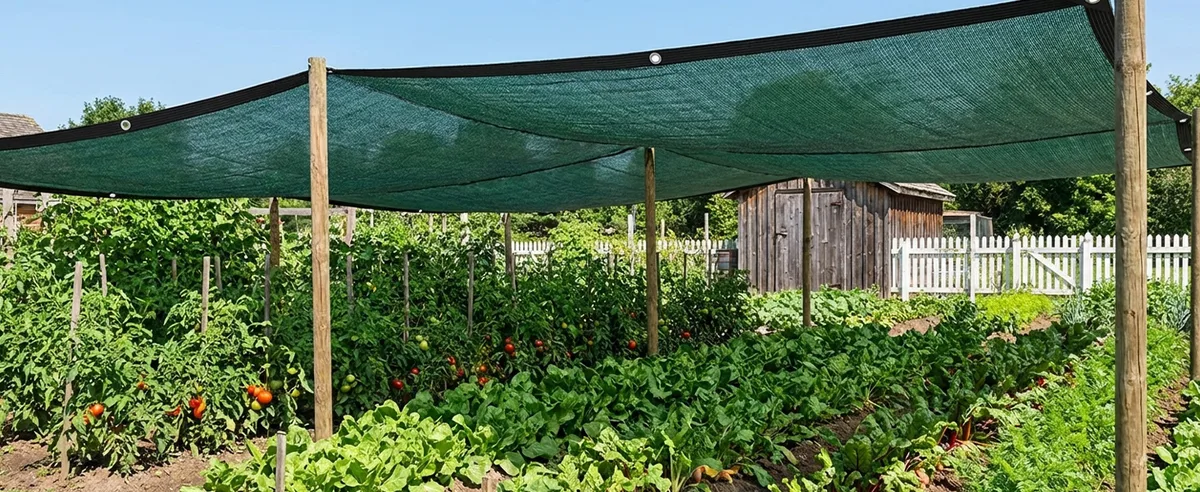
Shade the area. This is the single most effective trick and almost nobody does it. A 30% to 50% shade cloth suspended a foot above the seedbed knocks soil temperature down by enough degrees to matter. Leave it up through germination and the first three weeks of establishment.
If shade cloth isn’t practical, a very light layer of straw can intercept enough sun to help. Just don’t smother the seed. You want the soil visible through the straw.
Water like clockwork. Three to four short irrigation cycles a day, each one delivering just enough to keep the surface damp to the touch. Maybe five minutes per zone per cycle, adjusted so you never see puddling or runoff. The moment a seed starts to take on water and then dries back out, it’s dead.
Consistency is everything.
Watch and adjust. If a heatwave rolls in, add an evening misting cycle. If you see seedlings up within seven days and then browning at the tips, they’re cooking. More shade, more frequent but shorter water bursts.
If nothing emerges after ten days in warm soil, dig a fingernail into the seedbed and look for mush or hard dry seed. Both mean failure. Don’t keep watering dead seed.
Reassess or wait for September.
Summer Ryegrass Germination: Quick Conditions Checklist
Before you seed, run through this quick check:
- Soil temperature: Under 75°F is best for perennial rye. Avoid seeding above 85°F.
- Water: Can you keep the seedbed consistently moist with several short watering cycles each day?
- Shade: Does the area have enough shade to limit strong midday heat?
- Seed type: Are you using perennial rye for a lasting lawn or annual rye for temporary cover?
- Timing: If conditions are too hot or dry, can you wait until late August or early September?
If you can check these boxes, summer germination has a reasonable chance. If several are missing, you’re better off saving the seed and waiting for cooler conditions.
FAQs: Ryegrass Summer Germination
Can I just throw ryegrass seed down in July and water it?
You can, but you’ll likely waste the seed. If soil temperature is above 85°F for perennial rye, the seed won’t germinate regardless of water. If it’s borderline warm and you skip shade, the few seeds that sprout will probably die within two weeks when their shallow roots can’t handle the midday heat.
Does pre-germinating the seed indoors help?
It can shave a couple of days off the process. Soaking seed in water for 24 to 48 hours until tiny root tips show, then spreading it carefully on a cooled, prepared seedbed, gets you through germination faster. But it doesn’t solve the soil temperature problem.
If the soil is too hot, pre-germinated seed will die just as fast as dry seed.
What’s the absolute soil temperature cutoff?
Perennial ryegrass stops germinating around 85°F soil. Annual ryegrass can push to about 90°F. These aren’t suggestions.
They’re biological limits measured repeatedly in controlled turfgrass research. A probe reading above those thresholds means zero germination.
Should I just use tall fescue instead?
Tall fescue has a slightly higher heat tolerance during establishment and generally handles summer stress better once mature. But it still prefers soil temperatures in the 60s and 70s for germination. It’s a better choice than perennial rye for a lawn if you’re in a hot area, but it’s not a summer seeding loophole.
The same soil temperature rules apply broadly across cool-season grasses.
Can I seed ryegrass in late August and count it as summer?
Late August into early September is a completely different game, and it’s actually the ideal window. Soil temperatures are falling, nights are longer, and morning dew helps with moisture. If you’re reading this in late July and thinking about pushing it until August, that’s not impatience.
That’s smart. Waiting four weeks is often the difference between a 90% success rate and a 10% one.